Guides
In-depth articles written to answer the questions people ask before, during and after using a calculator.
Cubic Yards
Open the Cubic Yard Calculator How Big Is a Cubic Yard? A Visual Guide for Ordering Bulk MaterialsA cubic yard is 27 cubic feet, a cube 3 feet on each side. Here is how to picture it, what it weighs, and how far it spreads.
 Cubic Feet to Cubic Yards: The Conversion, a Chart and Common MistakesDivide cubic feet by 27 to get cubic yards. This guide shows why, gives a quick chart, and covers the inch and square-foot mix-ups that cause bad orders.
 How Much Mulch Do I Need? Depth, Coverage and Yards ExplainedFind out how many cubic yards or bags of mulch your beds need, the right depth for each situation, and how to avoid mulching mistakes that harm plants.
 How Much Topsoil Do I Need? Raised Beds, New Lawns and LevelingCalculate topsoil for raised beds, new lawns and low spots, plan for settling, and choose between topsoil, garden mix and fill dirt.
 How to Measure Curved and Irregular Areas for Soil, Mulch or GravelKidney-shaped beds, winding paths and sloped holes are hard to measure. Four practical methods give a volume estimate you can confidently order from.
 How Much Does a Cubic Yard Weigh? Soil, Mulch, Sand, Gravel and MoreTypical weights per cubic yard for common landscape and building materials, why moisture matters, and how to check whether your truck or trailer can carry a load.
 Bulk vs. Bagged Mulch and Soil: Which Is Cheaper for Your Project?Compare the real cost of bagged and bulk landscape materials, find the break-even point, and learn what to ask a supplier before ordering a truckload.
 How Much Gravel Do I Need for a Driveway? Layers, Depth and TonsPlan a gravel driveway layer by layer: which stone goes where, how deep each layer should be, and how to turn the dimensions into an order in tons.
 Types of Gravel Explained: Pea Gravel, #57, Crusher Run, River Rock and MoreA plain-English guide to the most common gravel and crushed stone types, their sizes, weights and best uses, so you can order the right stone the first time.
 How Deep Should Gravel Be? Recommended Depths for Every ProjectRecommended gravel depths for paths, patios, driveways, sheds, drainage and decorative beds, with the reasons behind each number and a coverage chart.
 Tons vs. Cubic Yards of Gravel: How to Convert and Compare PricesHow many tons are in a yard of gravel, how to convert between tons and cubic yards, and how to compare quotes from suppliers that price differently.
 How to Build a Pea Gravel Patio: Materials, Depth and a Step-by-Step PlanEverything you need to plan a pea gravel patio: how much gravel and base stone to order, edging options, stabilizer grids and a step-by-step installation guide.
 Gravel for Drainage and French Drains: Which Stone and How MuchChoose the right gravel for French drains, dry wells and downspout drainage, and calculate how much stone a trench needs after subtracting the pipe.
Square Footage
Open the Square Footage Calculator How to Measure the Square Footage of a House, Step by StepMeasure a home's square footage the way appraisers do: from the outside, floor by floor, with the right spaces included and excluded. Includes a worked example.
 How to Calculate Square Footage of L-Shaped and Irregular RoomsSplit L-shaped, angled and curved rooms into simple shapes, measure them accurately, and add or subtract areas to get square footage you can buy flooring from.
 How Much Extra Flooring to Buy: Waste Factors for Tile, Laminate and HardwoodThe right overage for flooring depends on the material, the layout pattern and the room shape. Use these waste factors to buy enough boxes without overspending.
 Square Feet to Square Meters (and Yards, Acres): Conversions and ChartsConvert square feet to square meters, square yards, acres and hectares with exact factors, quick charts and tips to avoid the most common area-conversion mistakes.
 Finished vs. Unfinished Square Footage: Basements, Attics, Garages and PorchesWhich spaces count toward a home's finished square footage? Learn how basements, attics, bonus rooms, garages and porches are usually treated, and why it matters.
 Price per Square Foot: How to Calculate It and When It MisleadsCalculate price per square foot for homes, rentals and renovation projects, and learn the pitfalls that make the number misleading when comparing properties.
Concrete
Open the Concrete Calculator How Many Bags of Concrete Do I Need? 40, 60 and 80 lb Bag ChartsFind how many 40, 60 or 80 lb bags of concrete you need for slabs, posts and footings, with yield charts, worked examples and when to switch to ready-mix.
 How Thick Should a Concrete Slab Be? Patios, Driveways, Garages and ShedsTypical concrete slab thicknesses for patios, walkways, garage floors, driveways and equipment pads, plus base, reinforcement and control-joint basics.
 How to Order Ready-Mix Concrete: Yards, Slump, Strength and DeliveryWhat to tell the batch plant when ordering ready-mix concrete: volume, strength, slump, additives and site access, plus how to avoid running short.
 Concrete for Footings and Post Holes: Sizes, Depth and VolumeCalculate concrete for deck footings, fence posts and continuous footings. Covers frost depth, form tubes, hole sizes and how to total many holes at once.
 Concrete Curing Time: When Can You Walk, Drive and Build on It?A practical timeline for new concrete: when to walk on it, when to drive on it, why 28 days matters, and how to cure it properly in hot and cold weather.
 Concrete Mix Ratios Explained: 1:2:3, 1:2:4 and Water–Cement RatioUnderstand concrete mix ratios, how much cement, sand and gravel go into a cubic yard, why the water–cement ratio controls strength, and how to mix by hand.
 How to Simplify Ratios: Whole Numbers, Decimals, Fractions and Three TermsStep-by-step methods for simplifying any ratio to lowest terms, including ratios with decimals, fractions, mixed units and more than two parts.
 How to Divide an Amount in a Given Ratio (with Money, Time and Mixes)Share money, time or materials in any ratio using the parts method. Includes worked examples, three-way splits, rounding money fairly and common mistakes.
 Ratio vs. Fraction vs. Percentage: How to Convert Between ThemRatios, fractions and percentages describe relationships in different ways. Learn when each is used and how to convert part-to-part and part-to-whole correctly.
 Cooking with Ratios: Bread, Rice, Coffee and Vinaigrette Without a RecipeLearn the classic kitchen ratios for bread, pie crust, rice, coffee and dressings, and how to scale them up or down for any batch size.
 Aspect Ratio Explained: 16:9, 4:3, 3:2 and How to Resize Without DistortionWhat aspect ratios mean for screens, photos and video, how to calculate a missing width or height, and how to crop or resize without stretching.
 Mixing Ratios Made Easy: 2-Stroke Fuel, Paint, Epoxy and Cleaning SolutionsHow to read and measure mixing ratios such as 50:1 fuel, 2:1 epoxy and 1:10 dilutions, with conversion tables and tips for measuring small amounts accurately.
Proportion
Open the Proportion Calculator How to Solve Proportions: Cross Multiplication Step by StepLearn why cross multiplication works, how to solve for x in any position, and how to handle decimals, fractions and word problems without mistakes.
 Direct vs. Inverse Proportion: How to Tell Them Apart and Solve EachUnderstand direct and inverse proportion with clear examples, the formulas y = kx and y = k/x, graphs, and a quick test to know which one a problem needs.
 Unit Rates and Unit Prices: How to Find the Best BuyCompare prices of different package sizes with unit rates. Learn the formula, handle mixed units and bulk deals, and avoid the traps that make big packs look cheaper.
 How to Scale a Recipe Up or Down Using ProportionsDouble, halve or resize any recipe with a single scaling factor. Includes conversions for awkward amounts, tips for eggs and spices, and pan size adjustments.
 Map Scales and Scale Drawings: Converting Map Distance to Real DistanceRead ratio scales like 1:24,000, verbal scales and bar scales, convert between map and ground distance, and make your own scale drawings with proportions.
 Similar Triangles and Proportions: Find Missing Sides and Measure HeightsUse proportions to find missing sides of similar triangles, measure the height of trees and buildings with shadows, and understand how area and volume scale.
 GCF vs. LCM: What's the Difference and When to Use EachThe greatest common factor and least common multiple are easy to confuse. Learn what each one means, how they're related, and which one a word problem needs.
 The Euclidean Algorithm: The Fastest Way to Find the GCFHow Euclid's division method finds the greatest common factor of large numbers in a few steps, why it works, and how to extend it to three or more numbers.
 Prime Factorization: Factor Trees, Division Ladders and Divisibility RulesBreak any number into prime factors using factor trees or the ladder method, with divisibility shortcuts and examples of using primes to find the GCF and LCM.
 Simplifying Fractions with the GCF (Including Mixed Numbers and Algebra)Reduce any fraction to lowest terms in one step using the greatest common factor, with examples for improper fractions, mixed numbers and algebraic fractions.
 GCF Word Problems: 8 Worked Examples with Clear ExplanationsPractice greatest common factor word problems about groups, gift bags, tiles, ribbons and teams, with a simple checklist for spotting when to use the GCF.
 Factoring Out the GCF in Algebra: Step-by-Step with ExamplesHow to find the greatest common factor of algebraic terms, factor it out of polynomials, handle negatives and binomial factors, and check your work.
AP Lang Score
Open the AP Lang Score Calculator AP Lang Exam Format: Sections, Timing, Weighting and How It's ScoredA clear breakdown of the AP English Language and Composition exam: 45 multiple-choice questions, three essays, timing, section weights and how the 1–5 score is built.
 The AP Lang Essay Rubric Explained: Thesis, Evidence and Commentary, SophisticationUnderstand the 6-point AP Lang essay rubric row by row, what separates a 2 from a 4 in evidence and commentary, and realistic ways to raise your essay scores.
 How to Write the AP Lang Synthesis Essay: Plan, Structure and Common MistakesA practical approach to the AP Lang synthesis essay: using the reading period, choosing sources, building a line of reasoning and avoiding source summary.
 AP Lang Rhetorical Analysis Essay: How to Analyze Choices, Not List DevicesWrite a stronger AP Lang rhetorical analysis by focusing on the writer's purpose, audience and choices, with a paragraph template and verbs that sharpen commentary.
 AP Lang Argument Essay: Building a Defensible Claim with Your Own EvidenceHow to plan and write the AP Lang argument essay: choosing a position, finding specific evidence from what you know, structuring reasoning and handling counterarguments.
 AP Lang Multiple-Choice Strategies for Reading and Writing QuestionsProven strategies for the 45 AP Lang multiple-choice questions: pacing, reading passages actively, tackling revision questions and eliminating wrong answers.
APUSH Score
Open the APUSH Score Calculator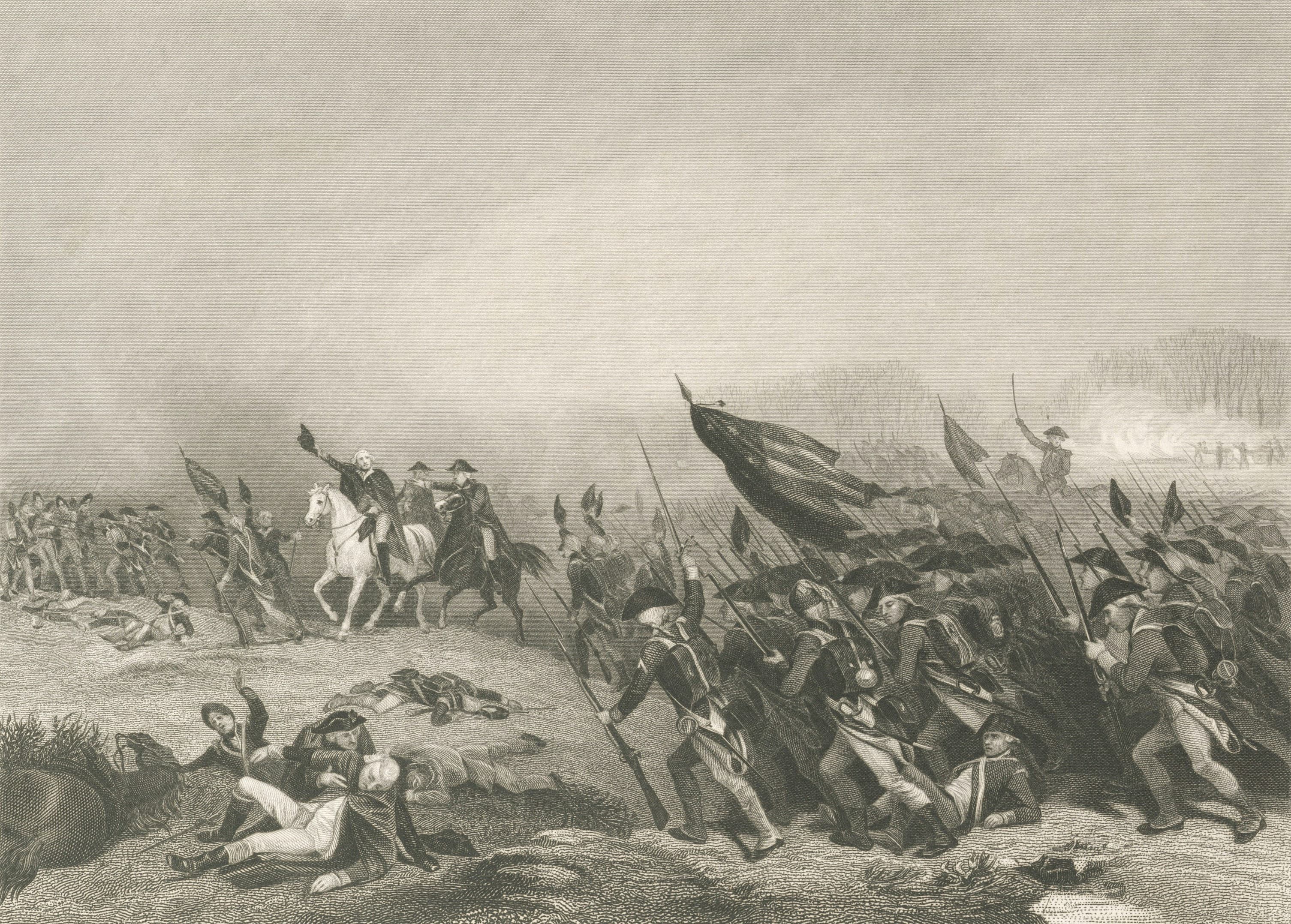 How to Write the APUSH DBQ: Rubric Points, Plan and Paragraph StructureA step-by-step approach to the APUSH document-based question: using the reading period, earning each rubric point, sourcing documents and adding outside evidence.
 APUSH Long Essay Question (LEQ): How to Plan and Score WellPlan and write the APUSH long essay question: the 6-point rubric, choosing evidence, structuring causation, comparison and continuity-and-change arguments, and the 2027 update.
 APUSH Short-Answer Questions: The ACE Method and the 2027 FormatHow to answer APUSH short-answer questions for full credit: reading the source, the ACE method, specific evidence, timing, and what changes for the 2027 exam.
 APUSH Multiple-Choice Strategy: Reading Stimulus Sources Under Time PressureHow to approach the 55 source-based APUSH multiple-choice questions: pacing, reading primary and secondary sources, eliminating answers and reviewing practice tests.
 The 9 APUSH Periods: Dates, Exam Weight and Key Themes to ReviewAn overview of the nine periods in the AP U.S. History course, from 1491 to the present, with approximate exam weighting and the big themes to focus your review.
 APUSH Historical Thinking Skills and Reasoning Processes, Explained SimplyWhat the APUSH historical thinking skills and reasoning processes mean, how they appear on the exam, and simple ways to practice causation, comparison and continuity.
Final Grade
Open the Final Grade Calculator How Weighted Grades Work: Calculate Your Class Grade Step by StepUnderstand weighted grading categories, calculate your current grade from a syllabus, and see why a high homework average may not lift your grade as much as you think.
 Can I Still Pass the Class? How to Find Out and What to Do NextWork out the minimum score you need on the final to pass, understand what happens if the number is over 100%, and plan practical next steps with your instructor.
 A Two-Week Final Exam Study Plan Based on the Score You Actually NeedStart with the score you need, then build a realistic two-week plan using retrieval practice, spaced review and past exams. Includes a sample schedule.
 Points-Based vs. Weighted Grading: How to Calculate Your Grade in Each SystemLearn the difference between total-points and weighted-category grading, how to calculate what you need on a final in each, and how to convert one to the other.
 Percentage Grades, Letter Grades and GPA: How They ConvertHow percentages become letter grades and GPA points on a 4.0 scale, how plus/minus grades and weighted GPAs work, and how one final exam affects your GPA.
 Grade Rounding, Extra Credit and Dropped Scores: How They Change Your Final GradeHow rounding policies, extra credit and dropped lowest scores affect your course grade, how to include them in your calculation, and how to ask about them politely.
Molecular Weight
Open the Molecular Weight Calculator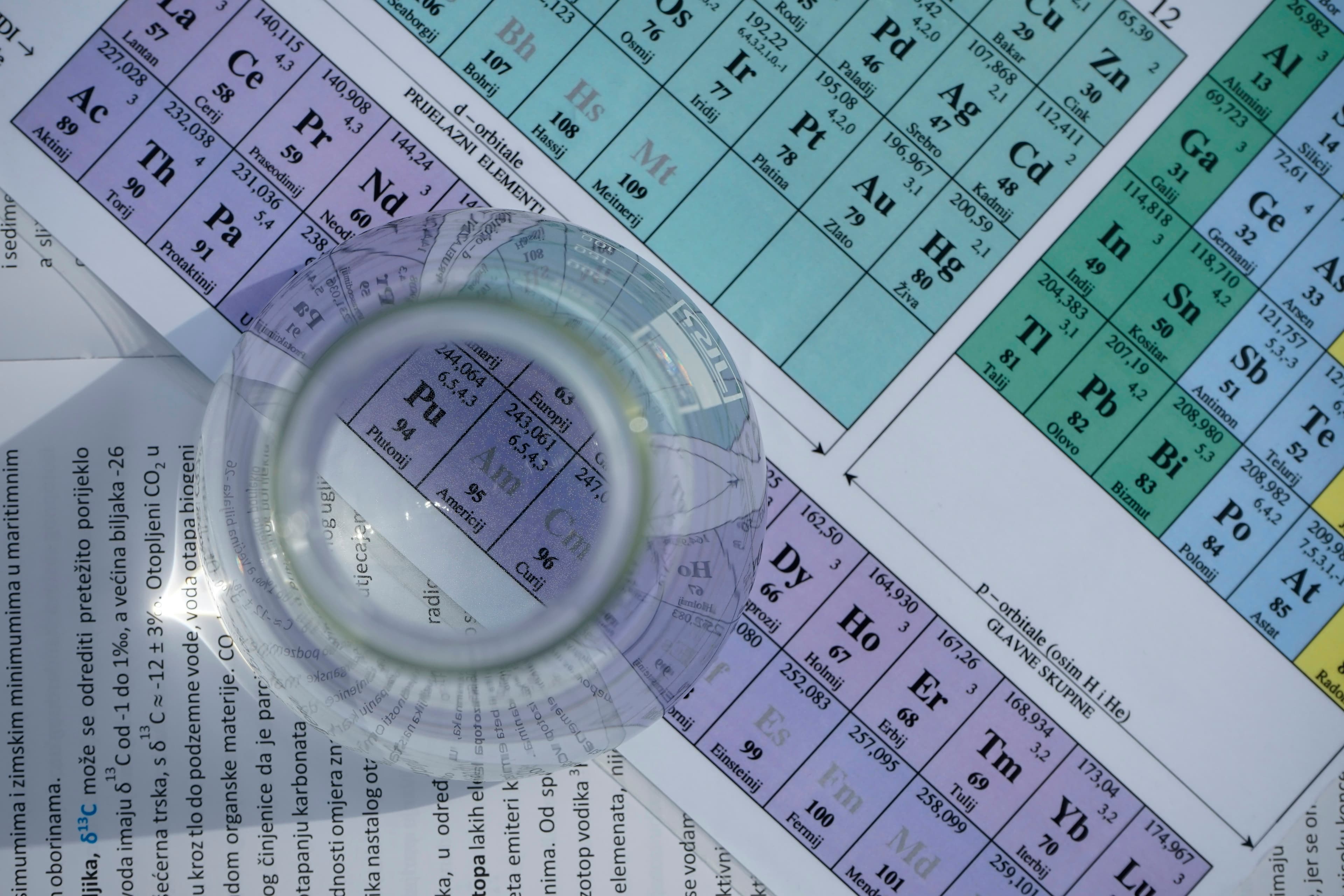 Molar Mass vs. Molecular Weight vs. Formula Mass: What's the Difference?Clear definitions of molar mass, molecular weight, formula mass and atomic mass units, why their numbers match, and how to calculate each from a chemical formula.
 Grams to Moles and Moles to Grams: Conversions with Worked ExamplesConvert between grams, moles and number of particles using molar mass and Avogadro's number, with step-by-step examples and a stoichiometry walkthrough.
 Percent Composition by Mass: How to Calculate It and Why It MattersCalculate the mass percent of each element in a compound from its formula, check the result, and use percent composition in labs, nutrition labels and fertilizers.
 Molarity and Preparing Solutions: From Molar Mass to Grams to WeighCalculate how many grams to weigh for a solution of a given molarity, dilute stock solutions with C1V1 = C2V2, and avoid common preparation mistakes.
 Molar Mass of Hydrates: Formulas, Calculations and the Classic Heating LabHow to read hydrate formulas like CuSO4·5H2O, calculate their molar mass and percent water, and find the formula of an unknown hydrate from lab data.
 Empirical and Molecular Formulas: From Percent Composition to the Real FormulaFind an empirical formula from percent composition or masses, then use molar mass to get the molecular formula. Worked examples with every step.
PFT Score
Open the USMC PFT Calculator Marine Corps PFT Scoring in 2026: Tables, Classes and What ChangedHow the Marine Corps PFT is scored in 2026: event minimums and maximums, class thresholds, the sex-neutral standard for combat arms and how to calculate your total.
 Pull-Ups or Push-Ups on the PFT? Do the Math Before You ChoosePush-ups cap at 70 points on the Marine Corps PFT, pull-ups at 100. Compare points for your numbers and age group and decide which event is worth training.
 How to Increase Your Pull-Ups for the Marine Corps PFTA practical plan to add pull-ups for the PFT: dead-hang standards, grease-the-groove volume, negatives, rows and grip work, with a sample weekly schedule.
 How to Run a Faster 3-Mile for the PFT: Pacing and an 8-Week PlanImprove your PFT 3-mile run with target paces, easy mileage, intervals and tempo runs. Includes pace tables for common goals and an 8-week progression.
 PFT Plank: Standards, Form and a Plan to Reach 3:45The Marine Corps PFT plank is scored on one table for everyone: 1:10 to pass, 3:45 for 100 points. Learn proper form and a progression to build a longer hold.
 PFT vs. CFT: How the Marine Corps' Two Fitness Tests DifferCompare the Marine Corps Physical Fitness Test and Combat Fitness Test: events, scoring, classes and how to train for both across the year.
Chronological Age
Open the Chronological Age Calculator Why Exact Chronological Age Matters in Standardized TestingHow norm-referenced tests use chronological age to choose the right norm table, why a small error can change a standard score, and how to calculate and record age correctly.
 How to Calculate Chronological Age by Hand (and the Mistakes to Avoid)Step-by-step instructions for calculating chronological age on a test protocol using the borrowing method, with worked examples, rounding rules and common errors.
 Corrected Age for Premature Babies: How to Calculate It and When to StopWhat corrected (adjusted) age means for babies born early, how to calculate it from gestational age, how long to use it, and how it affects milestones and testing.
 Chronological Age vs. Developmental, Mental and Biological AgeUnderstand the difference between chronological age and developmental, mental, skeletal and biological age, how each is measured, and why only one is exact.
 Age-Equivalent Scores: What They Mean and Why to Use Them CarefullyWhat an age-equivalent score on a standardized test really means, why it's easily misread, and how standard scores and percentiles give a clearer picture.
 Kindergarten Age Cutoffs: How to Work Out When Your Child Can Start SchoolHow kindergarten age cutoff dates work, how to calculate whether your child is eligible, what redshirting and early entry mean, and where to check your state's rules.
CD Interest
Open the CD Calculator How CD Interest Works: APY, Compounding and What You'll Actually EarnUnderstand how certificates of deposit earn interest, the difference between APY and interest rate, how compounding frequency matters, and how to calculate your return.
 CD vs. High-Yield Savings Account: Which Is Better for Your Money?Compare certificates of deposit and high-yield savings accounts on rate, access, risk and flexibility, with a worked example and a simple way to decide.
 How to Build a CD Ladder: Steady Access, Better Rates, Less Timing RiskBuild a CD ladder step by step, compare it with a single long CD, and see how ladders balance access to cash with higher long-term rates. Includes a worked example.
 CD Early Withdrawal Penalties: How They're Calculated and When Breaking a CD Pays OffHow CD early withdrawal penalties work, typical penalty sizes by term, how to calculate the cost, and when breaking a CD to reinvest at a higher rate makes sense.
 Types of CDs Explained: No-Penalty, Bump-Up, Jumbo, Brokered and IRA CDsCompare the main types of certificates of deposit, how each works, their pros and cons, and which situations they suit best.
 How CD Interest Is Taxed: 1099-INT, Timing and After-Tax ReturnsHow interest from certificates of deposit is taxed in the US, when it's reported, how multi-year CDs are handled, and how to calculate your after-tax yield.
 401(k) Contribution Limits for 2026: Employee, Catch-Up and Total LimitsThe 2026 IRS limits for 401(k), 403(b), 457 and TSP plans: $24,500 employee deferral, $8,000 catch-up, $11,250 for ages 60–63, and the $72,000 total limit.
 How a 401(k) Employer Match Works: Formulas, Vesting and Getting the Full MatchUnderstand common 401(k) matching formulas, calculate how much your employer contributes, learn how vesting works, and make sure you don't leave free money on the table.
 Traditional vs. Roth 401(k): How to Choose (or Use Both)Compare traditional and Roth 401(k) contributions: when you pay tax, how withdrawals work, required minimum distributions, and how to decide based on your tax rate.
 How Much Should I Save for Retirement? Rules of Thumb and How to Check YoursCommon retirement savings guidelines, from saving 15% of income to the 4% withdrawal rule, and how to use a 401(k) projection to see if you're on track.
 401(k) Catch-Up Contributions: Age 50+, the 60–63 Super Catch-Up and the Roth RuleHow 401(k) catch-up contributions work in 2026, who qualifies for the higher ages 60–63 limit, the new Roth catch-up rule for higher earners, and how much they can add.
 How 401(k) Fees Affect Your Retirement Balance (and How to Find Them)Understand expense ratios and plan fees in your 401(k), see how a 1% difference compounds over decades, and learn where to find fee disclosures and how to lower costs.