How the cubic yard calculator works
Bulk landscape and building materials in the United States are sold by the cubic yard: a block of space 3 feet long, 3 feet wide and 3 feet deep. To find how many of those blocks your project needs, the calculator converts every measurement to feet, multiplies the plan area by the depth to get cubic feet, and divides by 27.
Because each dimension has its own unit selector, you can measure the way people actually measure: length and width in feet with a tape, depth in inches with a ruler. Metric users can enter meters or centimeters and still get yards for a U.S. supplier, or read the cubic-meter result directly.
The formula
Cubic yards = length (ft) × width (ft) × depth (ft) ÷ 27
For a round area, the plan area is π × r², where r is half the diameter. For a triangular corner bed, the area is half of base × height. Everything after that is the same: multiply by depth and divide by 27.
Worked example
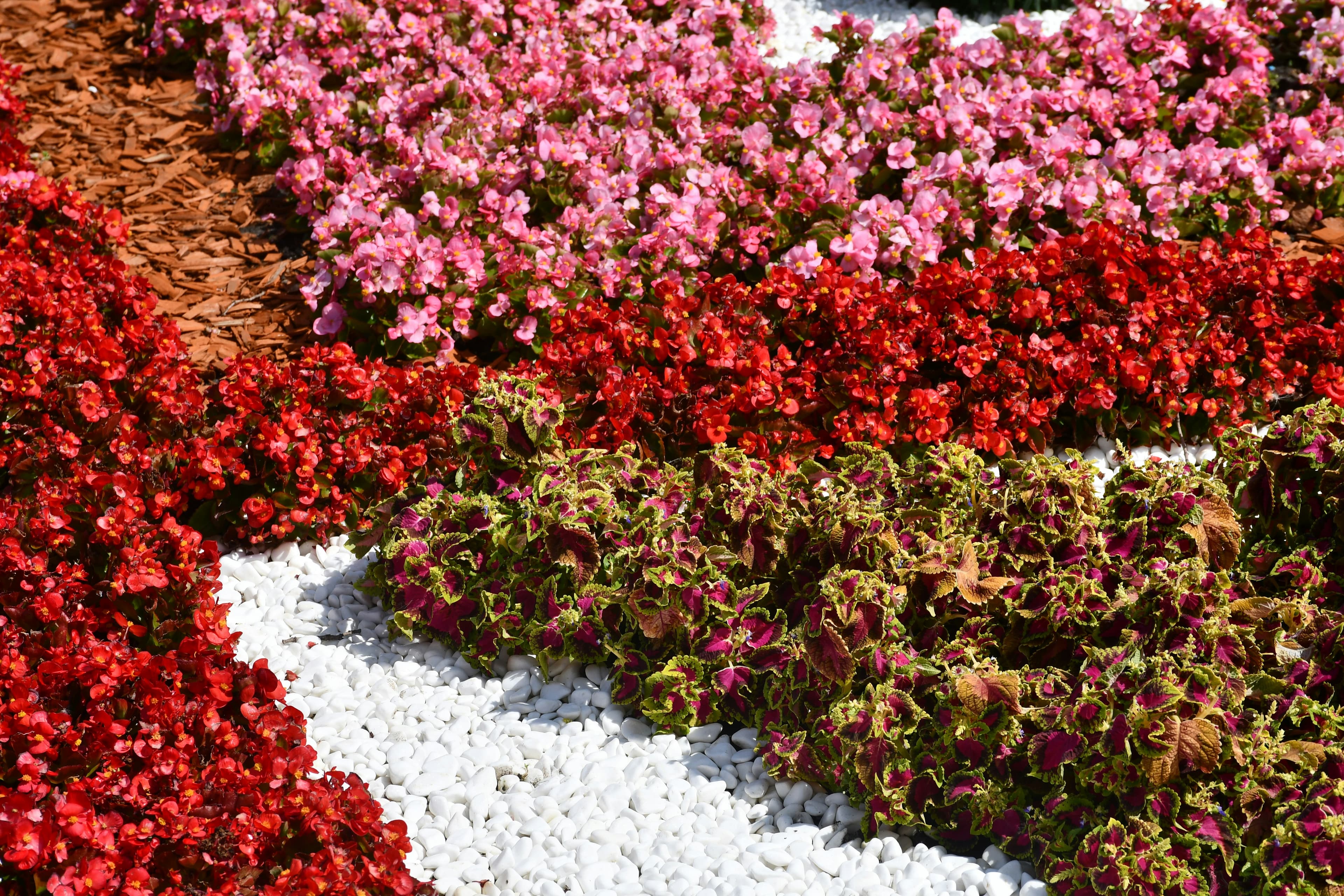
A flower bed is 16 ft long and 4 ft wide, and you want 3 inches of mulch. Depth in feet is 3 ÷ 12 = 0.25 ft. Volume is 16 × 4 × 0.25 = 16 cubic feet, and 16 ÷ 27 = 0.59 cubic yards. With a 10% allowance for settling you would order about 0.65 yards, which most yards round up to the nearest half or whole yard. Bagged mulch is usually sold in 2 cubic-foot bags, so the same bed needs 8 bags plus one spare.
Quick coverage chart
| Depth | Area covered by 1 cubic yard |
|---|---|
| 1 inch | 324 sq ft |
| 2 inches | 162 sq ft |
| 3 inches | 108 sq ft |
| 4 inches | 81 sq ft |
| 6 inches | 54 sq ft |
| 12 inches | 27 sq ft |
Tips for an accurate order
- Measure depth in several spots. Existing beds are rarely even; average three or four readings.
- Split odd shapes. Break an irregular area into rectangles, circles and triangles, calculate each one and add them up. Our square footage calculator lets you list several sections at once.
- Think about weight, not just volume. A yard of mulch weighs a few hundred pounds, but a yard of gravel or wet soil can top 2,500 lb, which is more than many pickup trucks can legally carry. The gravel calculator converts volume to tons.
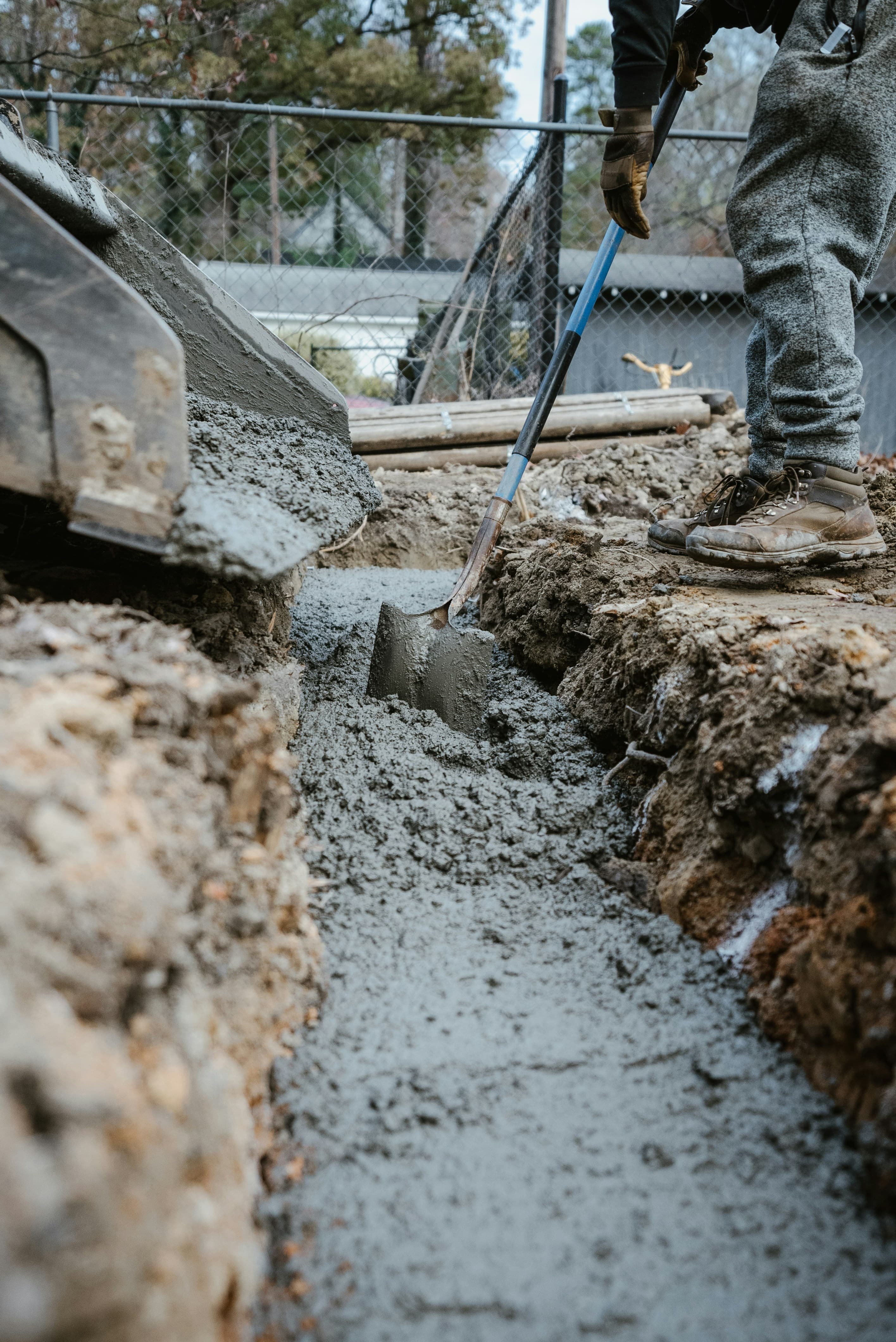
- Pouring concrete instead? Use the concrete calculator, which also counts premixed bags.
Frequently asked questions
How many cubic feet are in a cubic yard?
Exactly 27. A yard is 3 feet, so a cube one yard on each side holds 3 × 3 × 3 = 27 cubic feet.
How do I convert a depth in inches to cubic yards?
Divide the depth in inches by 12 to get feet, multiply by length and width in feet to get cubic feet, then divide by 27. Or enter inches directly in the calculator and it converts for you.
How much area does one cubic yard cover?
At 1 inch deep one cubic yard covers 324 square feet. At 2 inches it covers 162, at 3 inches 108 and at 4 inches 81 square feet. The rule is 324 divided by the depth in inches.
Should I order extra material?
Yes. Soil, mulch and gravel settle and compact, and ground is rarely perfectly level. Adding 5–10% is common for mulch and gravel; topsoil used for filling may settle 15–20% or more.
How do I calculate cubic yards for a circle?
Choose the circle shape and enter the diameter. The calculator uses π × (diameter ÷ 2)² for the area and multiplies by the depth.
Sources and official references
- Unit conversion: SI and U.S. customary units – National Institute of Standards and Technology (NIST)
Last reviewed October 10, 2026. Results are estimates for planning; see our disclaimer.