How Much Does a Cubic Yard Weigh? Soil, Mulch, Sand, Gravel and More
Typical weights per cubic yard for common landscape and building materials, why moisture matters, and how to check whether your truck or trailer can carry a load.
A cubic yard is a fixed volume, but what fills it can weigh anywhere from a few hundred pounds to two tons. Knowing the weight matters for three reasons: you may be quoted by the ton instead of the yard, you need to know whether your vehicle can carry it, and heavy loads can crack a driveway or sink a truck into a soft lawn.
Typical weights per cubic yard
| Material | Approx. weight per yd³ | Approx. tons |
|---|---|---|
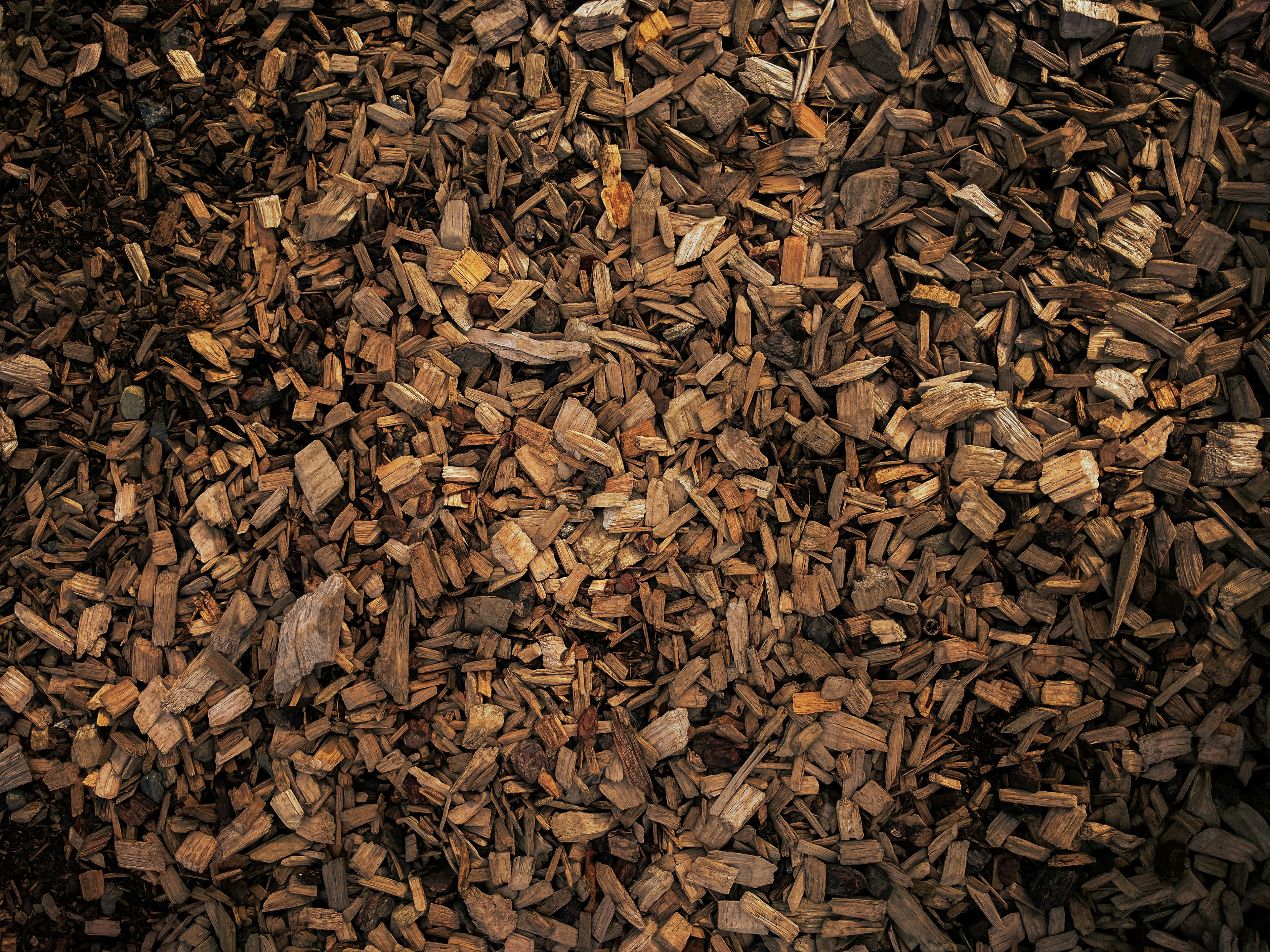
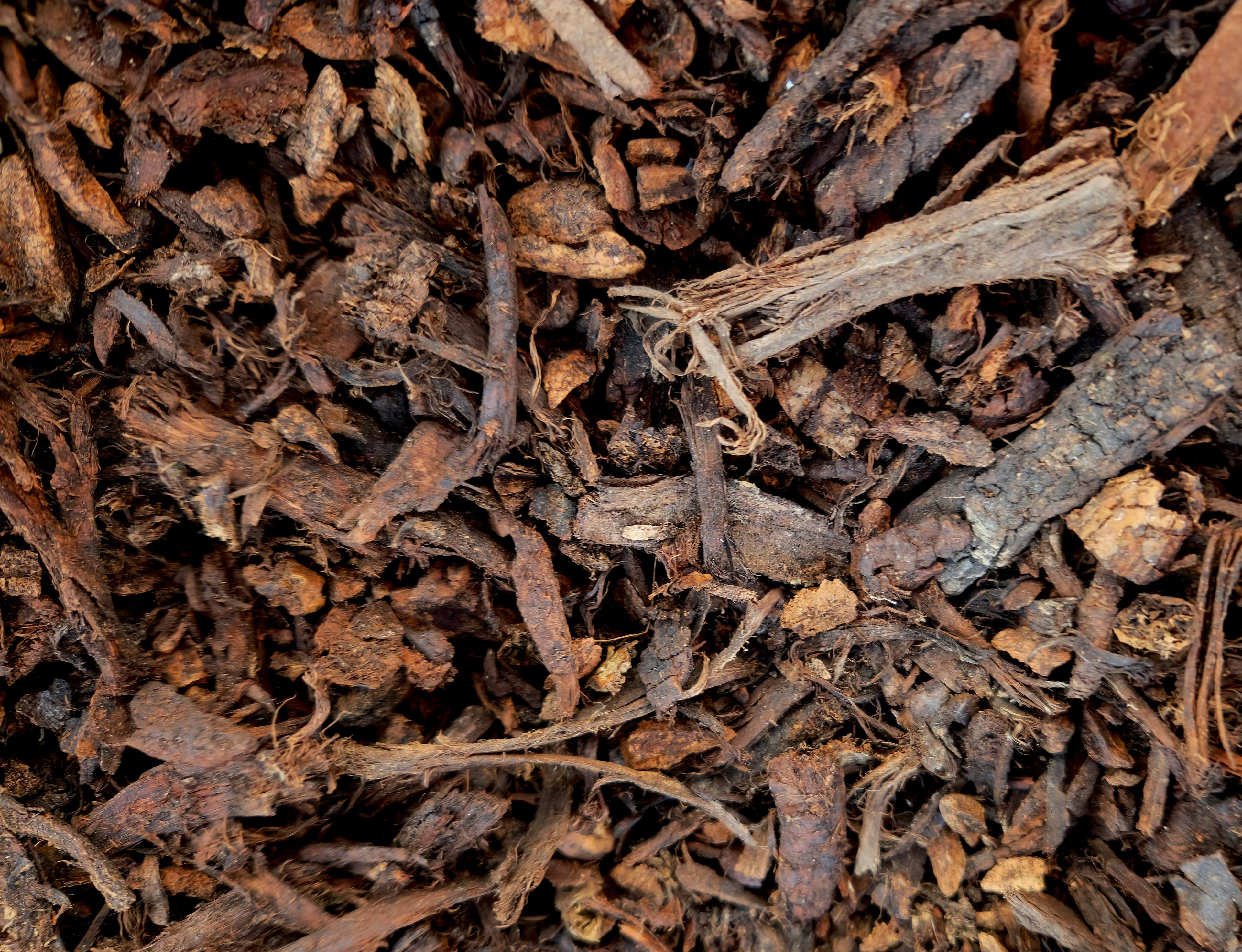
| Bark or wood chip mulch | 400–800 lb | 0.2–0.4 |
| Compost | 1,000–1,600 lb | 0.5–0.8 |
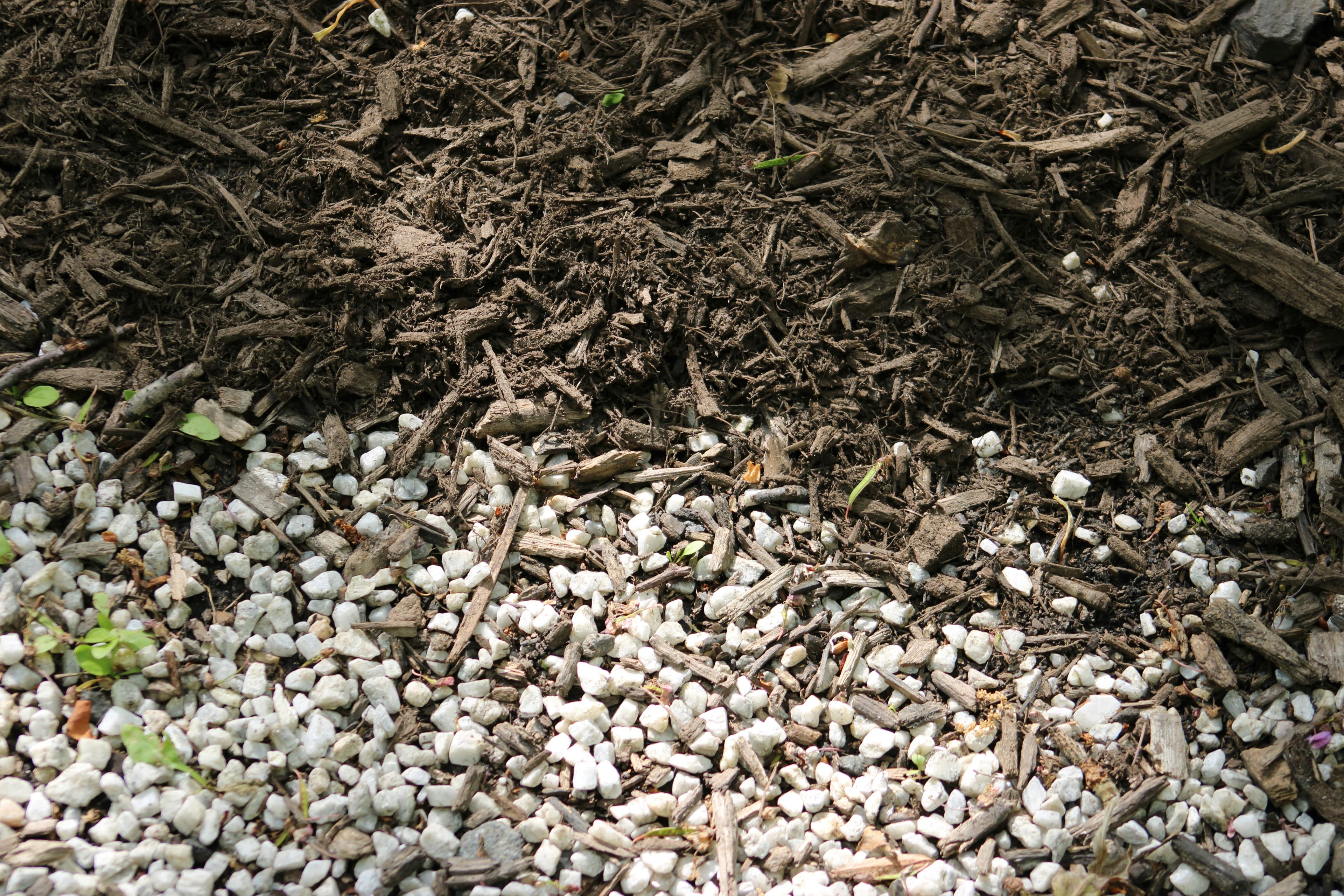
| Topsoil, dry | 2,000–2,200 lb | 1.0–1.1 |
| Topsoil, wet | up to 2,700 lb or more | 1.35+ |
| Fill dirt | 2,000–2,400 lb | 1.0–1.2 |
| Sand | 2,600–2,900 lb | 1.3–1.45 |
| Gravel and crushed stone | 2,600–3,000 lb | 1.3–1.5 |
| Lava rock | about 1,300 lb | 0.65 |
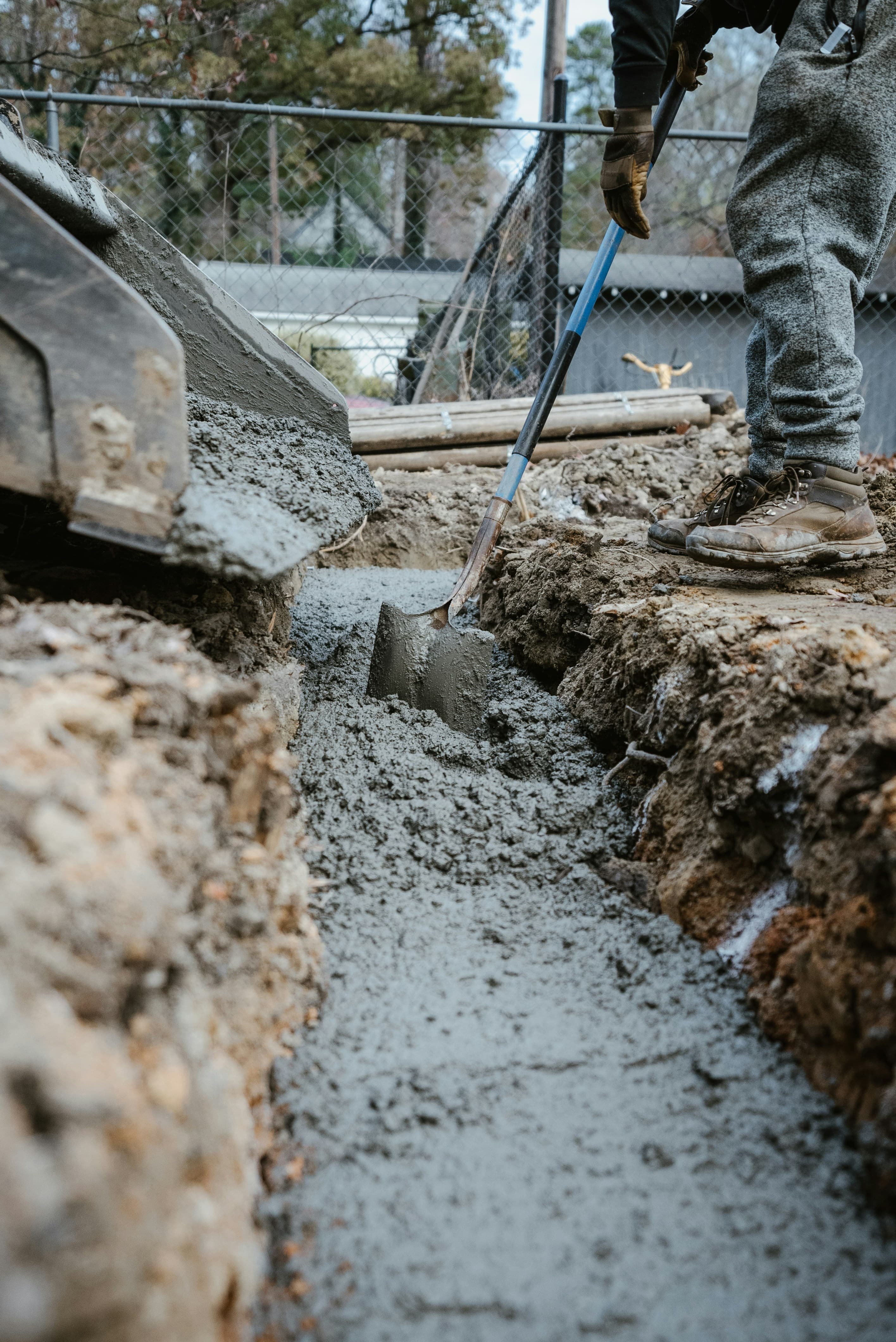
| Concrete, wet | about 4,000 lb | 2.0 |
These are planning figures. The real weight depends on moisture, particle size, how tightly the material is packed and where it was dug or quarried. When it matters, ask your supplier for the weight of the specific product.
Why moisture changes everything
Water weighs about 1,685 lb per cubic yard. Soil and compost hold a lot of it in the spaces between particles. A yard of topsoil delivered after a week of rain can weigh several hundred pounds more than the same yard delivered in a dry spell. Mulch is similar: dry shredded bark is light, but soaked bark can nearly double in weight. Gravel and sand change less because water drains through them.
Can your vehicle carry it?
Every vehicle has a payload rating, the most weight it can carry in the cab and bed combined. You will find it on the tire and loading information sticker inside the driver's door. Subtract the weight of passengers and anything already in the bed.
- Many half-ton pickups carry roughly 1,500–2,000 lb, which means about one yard of soil or less than a yard of gravel.
- Three-quarter-ton and one-ton trucks carry more but can still be overloaded by a full bed of stone.
- A small utility trailer may be rated for under 2,000 lb including the trailer itself. Check the trailer's tag for its gross vehicle weight rating.
Overloading affects braking and steering and can damage tires and suspension. When in doubt, pay for delivery or make two trips.
Converting yards to tons and back
tons = cubic yards × weight per yard (lb) ÷ 2,000
cubic yards = tons × 2,000 ÷ weight per yard (lb)
Example: a quarry quotes 12 tons of #57 stone. At about 2,700 lb per yard, that is 12 × 2,000 ÷ 2,700 = 8.9 cubic yards. Spread 4 inches deep it covers about 720 square feet. The gravel calculator does these conversions for common stone types, and the cubic yard calculator finds the volume from your measurements.
Protecting your driveway and lawn
Delivery trucks for bulk material can weigh 20 tons or more when loaded. Thin residential driveways are not designed for that, especially near the edges. Ask the driver to tip the load at the curb or onto a sturdy section of driveway, and lay a tarp first to make cleanup easier. Avoid having trucks drive over septic fields, sprinkler lines or recently soaked lawns.
Weight for wheelbarrow trips
A typical contractor wheelbarrow holds 6 cubic feet, but a load of soil or gravel that size can weigh 500 lb or more, which is too heavy for most people to push safely. Filling it halfway means a yard of gravel takes around nine trips. Plan for the work as well as the order.
Key points
- Mulch is light; soil, sand and gravel weigh 1 to 1.5 tons per yard.
- Moisture can add hundreds of pounds per yard to soil and mulch.
- Check payload ratings before hauling anything heavier than mulch.
- Use tons × 2,000 ÷ weight-per-yard to compare ton and yard prices.
Further reading from official sources
- Unit conversion: SI and U.S. customary units – National Institute of Standards and Technology (NIST)