How Big Is a Cubic Yard? A Visual Guide for Ordering Bulk Materials
A cubic yard is 27 cubic feet, a cube 3 feet on each side. Here is how to picture it, what it weighs, and how far it spreads.
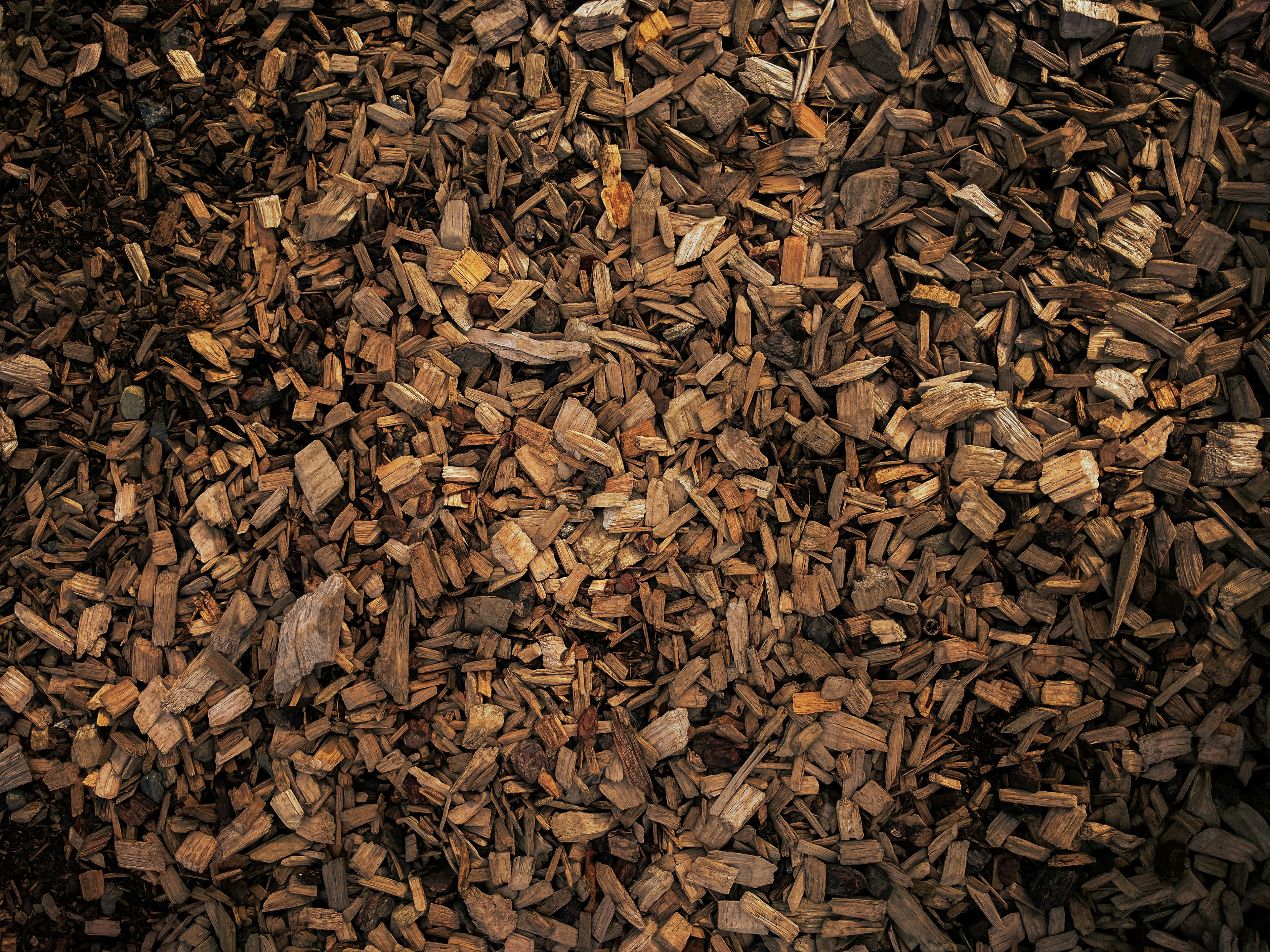
Landscape yards, quarries and ready-mix plants all sell by the cubic yard, yet most people ordering one have never seen a yard of anything sitting in their driveway. That gap is why so many first orders are either a sad little pile or a mountain that buries half the lawn. This guide turns the number into something you can picture, so the order you place matches the job you have.
The exact size of a cubic yard
A cubic yard is the space inside a cube that measures one yard (3 feet, or 36 inches) along every edge. Multiply the three sides and you get the figures worth memorizing:
| Unit | Equal to one cubic yard |
|---|---|
| Cubic feet | 27 |
| Cubic inches | 46,656 |
| Cubic meters | 0.7646 |
| US liquid gallons | about 202 |
| Liters | about 765 |
The most useful of these is 27. Almost every material estimate starts in cubic feet, because people measure gardens and slabs in feet, and ends by dividing by 27. Our cubic yard calculator does both steps for you.
Everyday objects that are roughly one cubic yard
- A typical front-loading washing machine takes up about two-thirds of a cubic yard, so one yard is a washer and a half.
- A standard wheelbarrow holds about 6 cubic feet when heaped, so a cubic yard is four and a half heaped loads, and closer to eight or nine loads if you only fill it to the rim with heavy stone.
- Thirteen or fourteen bags of the common 2 cubic-foot bagged mulch add up to one yard.
- A compact pickup bed filled level with the sides holds about 1.5 to 2 yards of light material such as mulch. With heavier material the truck runs out of payload long before it runs out of space.
Why the pile looks smaller than you expect
When a truck tips a yard of mulch onto your driveway, it slumps into a cone roughly 6 feet across and a little under 3 feet tall. People often call the supplier to ask whether they were shorted. They usually were not: a cone holds far more than it seems to, and loose material packs down when it lands. Spread out, the same yard covers a surprising area, as the next section shows.
How far one cubic yard spreads
To find coverage, divide 324 by the depth in inches. The number 324 comes from 27 cubic feet times 12 inches per foot.
| Spread depth | Coverage per cubic yard | Typical use |
|---|---|---|
| 1 inch | 324 sq ft | Top-dressing a lawn with compost |
| 2 inches | 162 sq ft | Refreshing existing mulch |
| 3 inches | 108 sq ft | New mulch beds |
| 4 inches | 81 sq ft | Gravel paths, playground mulch |
| 6 inches | 54 sq ft | Raised bed fill, base layers |
What a cubic yard weighs
Volume tells you how much space the material fills; weight tells you whether your truck, trailer or driveway can handle it. The difference between materials is dramatic:
- Wood chip mulch: roughly 400–800 lb per yard depending on moisture.
- Compost: roughly 1,000–1,600 lb.
- Topsoil: about 2,000–2,700 lb, heavier when wet.
- Sand and gravel: about 2,600–3,000 lb.
- Concrete: about 4,000 lb.
A half-ton pickup is usually rated for well under 2,000 lb of payload, so a single yard of gravel can overload it. Check the payload figure on the sticker inside the driver's door before you offer to collect it yourself. For stone, the gravel calculator converts yards to tons.
Turning measurements into an order
- Measure the length and width of the area in feet. Break odd shapes into rectangles, triangles and circles.
- Decide the depth in inches and divide by 12 to convert it to feet.
- Multiply length × width × depth to get cubic feet, then divide by 27.
- Add 5–10% for settling and uneven ground, then round up to the increment your supplier sells, often a half or quarter yard.
Example: a bed 20 ft by 6 ft that needs 3 inches of mulch is 20 × 6 × 0.25 = 30 cubic feet, or 1.11 yards. With 10% extra that is 1.22 yards, so a yard and a quarter covers it with a little left over for touch-ups.
Key takeaways
- One cubic yard is 27 cubic feet, about 0.76 cubic meters.
- Coverage in square feet equals 324 divided by depth in inches.
- Weight varies more than fourfold between mulch and gravel, so plan transport by weight.
- Always round up and add a small allowance; a second delivery costs more than a few extra cubic feet.
Further reading from official sources
- Unit conversion: SI and U.S. customary units – National Institute of Standards and Technology (NIST)