How to calculate how much gravel you need
Gravel orders start with volume and end with weight. First the calculator multiplies the area of your project by the depth to get cubic feet, then divides by 27 to get cubic yards. Because most suppliers weigh their trucks, it then multiplies the cubic yards by the density of the stone you chose to give pounds and tons.
Cubic yards = length (ft) × width (ft) × depth (in) ÷ 12 ÷ 27
Tons = cubic yards × density (lb/yd³) ÷ 2,000
Worked example: a gravel driveway
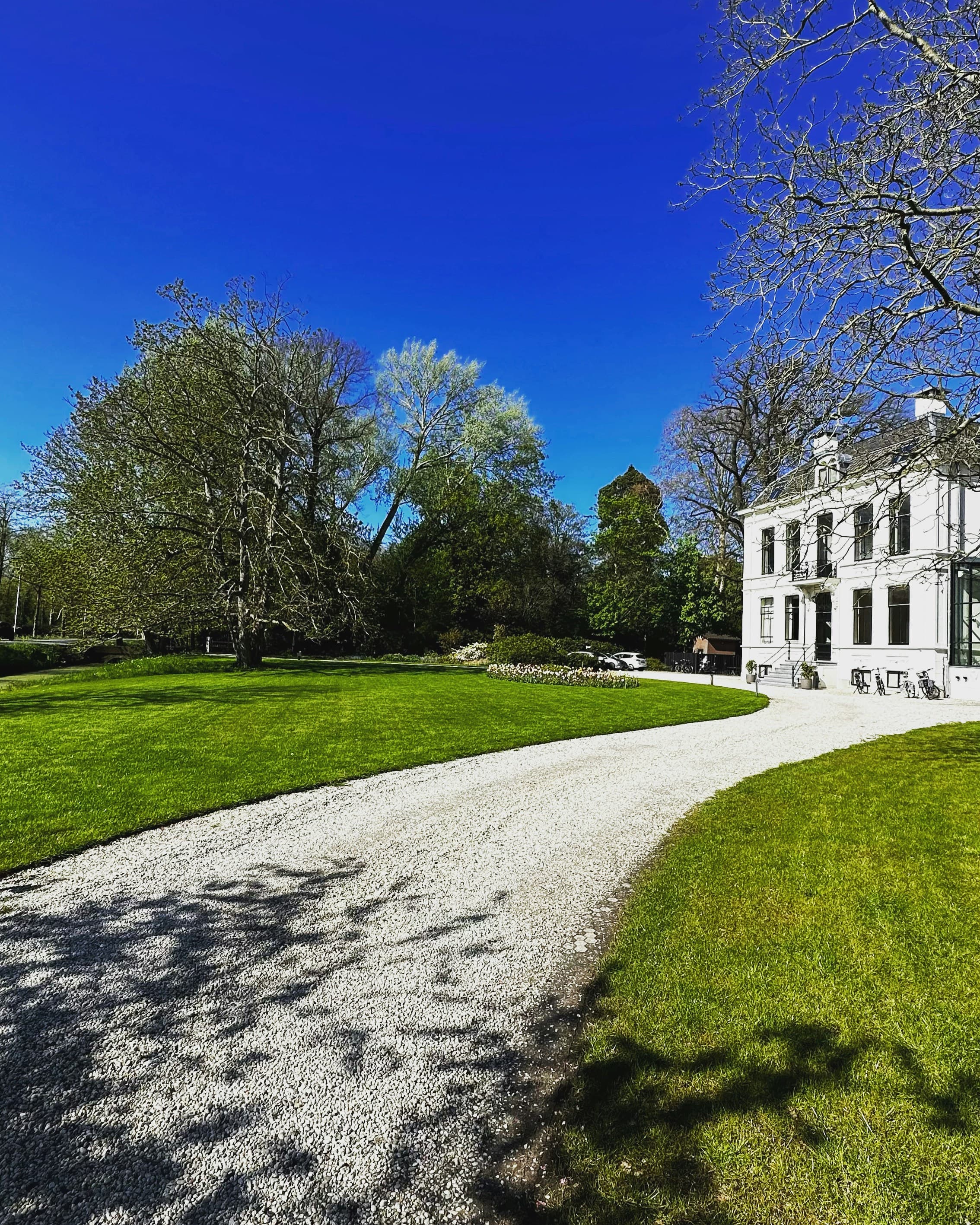
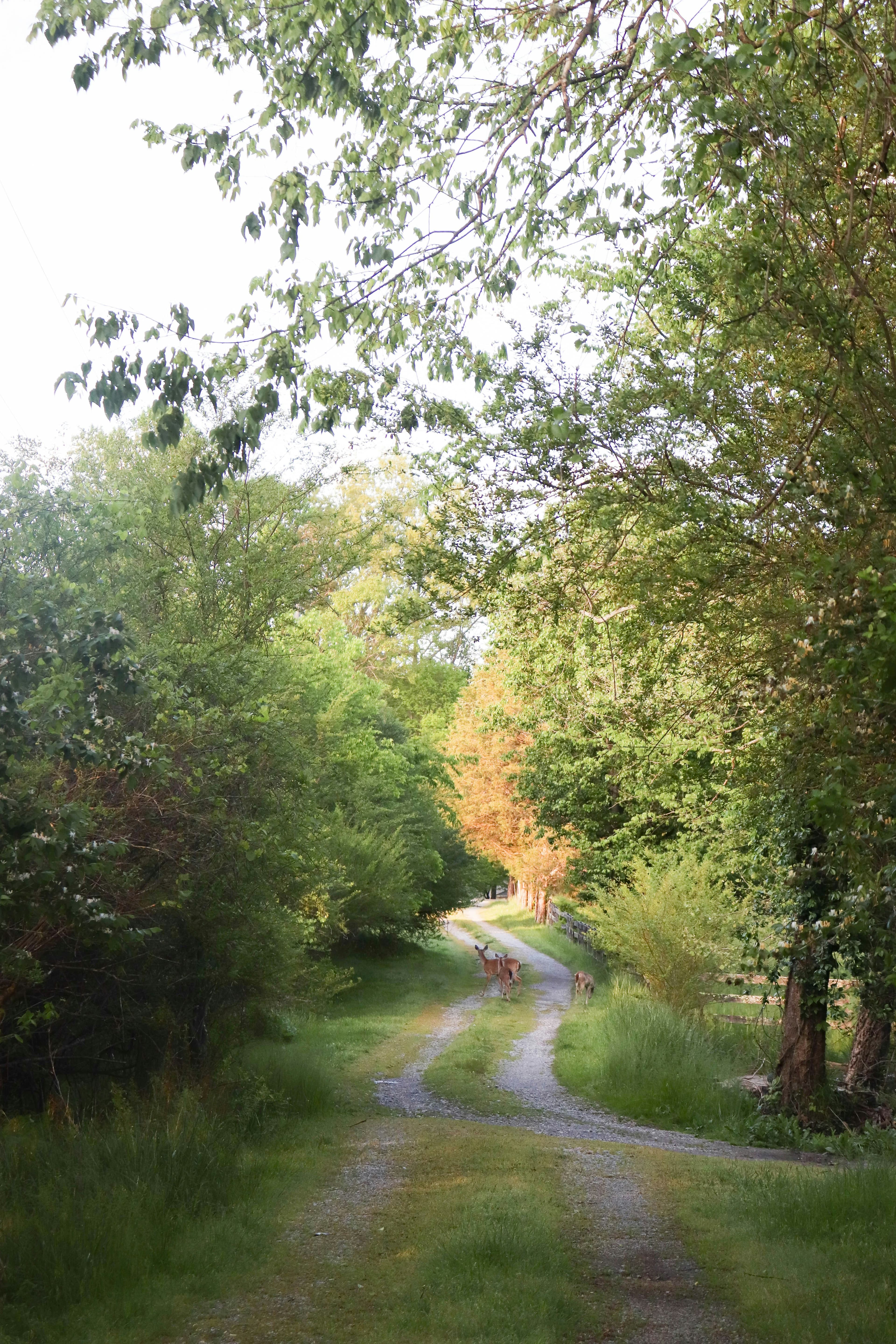
A driveway is 60 ft long and 10 ft wide, and the top layer will be 3 inches of #57 crushed stone. The area is 600 sq ft. The volume is 600 × 3 ÷ 12 = 150 cubic feet, or 5.56 cubic yards. At about 2,700 lb per yard that is 15,000 lb, or 7.5 tons. Adding 10% for compaction gives roughly 8.25 tons, so you would order 8½ tons.
Typical gravel densities used by the calculator
| Material | lb per cubic yard | Common use |
|---|---|---|
| Standard mixed gravel | 2,835 | General fill, driveways |
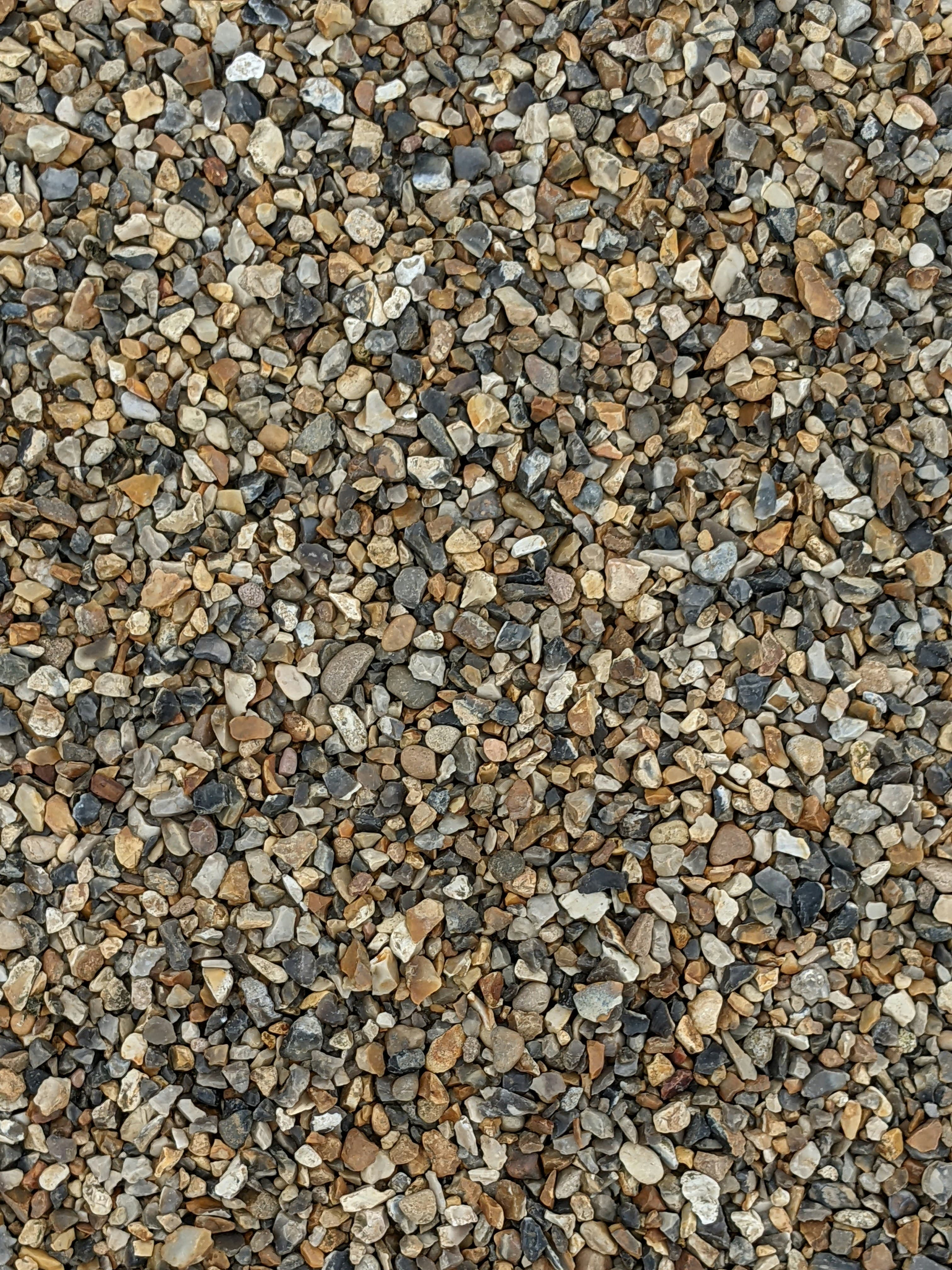
| Pea gravel | 2,700 | Patios, play areas, paths |
| #57 crushed stone | 2,700 | Drainage, driveway middle layer, concrete base |
| Crusher run / road base | 3,000 | Compacted base under pavers and driveways |
| River rock | 2,600 | Decorative beds, dry creek beds |
| Decomposed granite | 2,600 | Paths and xeriscape patios |
| Lava rock | 1,300 | Decorative mulch substitute |
These are averages for dry, loose material. Moisture can add several percent to the weight, and every quarry's product is a little different, so ask your supplier for their figure and type it into the custom density box when you have it.
Choosing the right depth
- Walkways and garden paths: 2–3 inches of surface stone over landscape fabric.
- Patios and seating areas: 3–4 inches of pea gravel or decomposed granite over a compacted base.
- Driveways: 4 inches of coarse base, 4 inches of #57 and a 2–3 inch top layer, about 10–12 inches in all.
- French drains: wrap a perforated pipe with washed stone, usually filling a trench 6–12 inches wide and 18–24 inches deep.
Need yards of soil or mulch instead? The cubic yard calculator handles any loose material. Pouring a slab next to the driveway? Use the concrete calculator.
Frequently asked questions
How many tons are in a cubic yard of gravel?
Usually between 1.3 and 1.5 short tons. A common planning figure is about 2,835 lb per cubic yard (1.42 tons), but lightweight lava rock can be under 1,500 lb and dense road base can exceed 3,000 lb.
How deep should gravel be for a driveway?
Most residential driveways use 8 to 12 inches in total, built in layers: a coarse base, a middle layer and 2–3 inches of finer surface stone. Walkways and patios typically need 2–4 inches over a compacted base.
How much area does a ton of gravel cover?
At 2 inches deep, one ton of typical gravel covers roughly 110–120 square feet. At 4 inches it covers about half that. Enter your depth and a 2,000 lb density equivalent to check a specific stone.
Is gravel sold by the yard or by the ton?
Both. Quarries and landscape yards often price by the ton because they weigh trucks, while smaller retailers price by the cubic yard. The calculator shows both so you can compare quotes.
Why add extra gravel?
Gravel compacts under traffic and some always works into the soil. Adding 5–10% avoids a second delivery fee.
Sources and official references
- Construction Sand and Gravel Statistics and Information – U.S. Geological Survey (USGS)
- Mineral Commodity Summaries 2026: Sand and Gravel (Construction) – U.S. Geological Survey (USGS)
Last reviewed October 10, 2026. Results are estimates for planning; see our disclaimer.