Concrete Curing Time: When Can You Walk, Drive and Build on It?
A practical timeline for new concrete: when to walk on it, when to drive on it, why 28 days matters, and how to cure it properly in hot and cold weather.
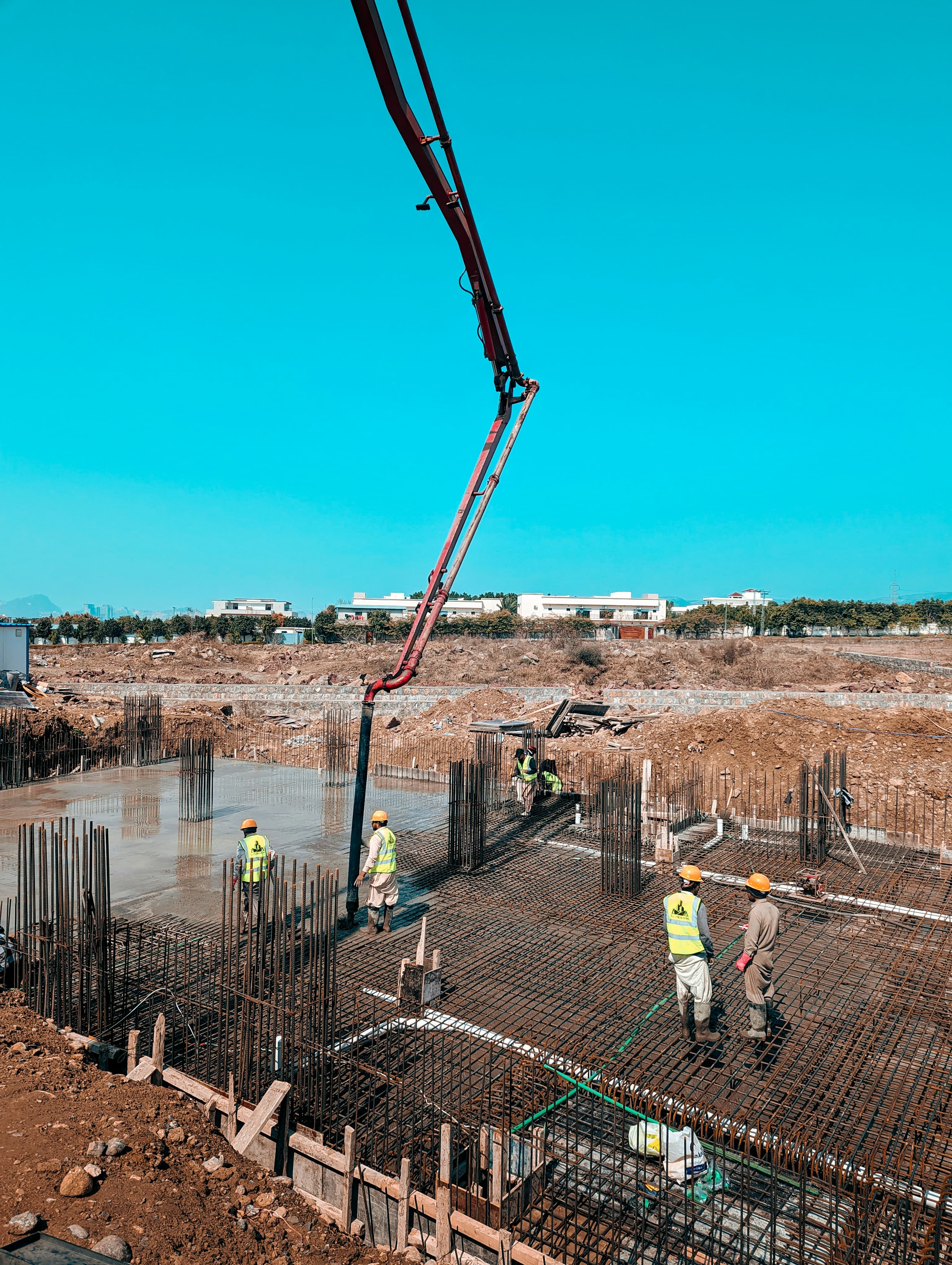
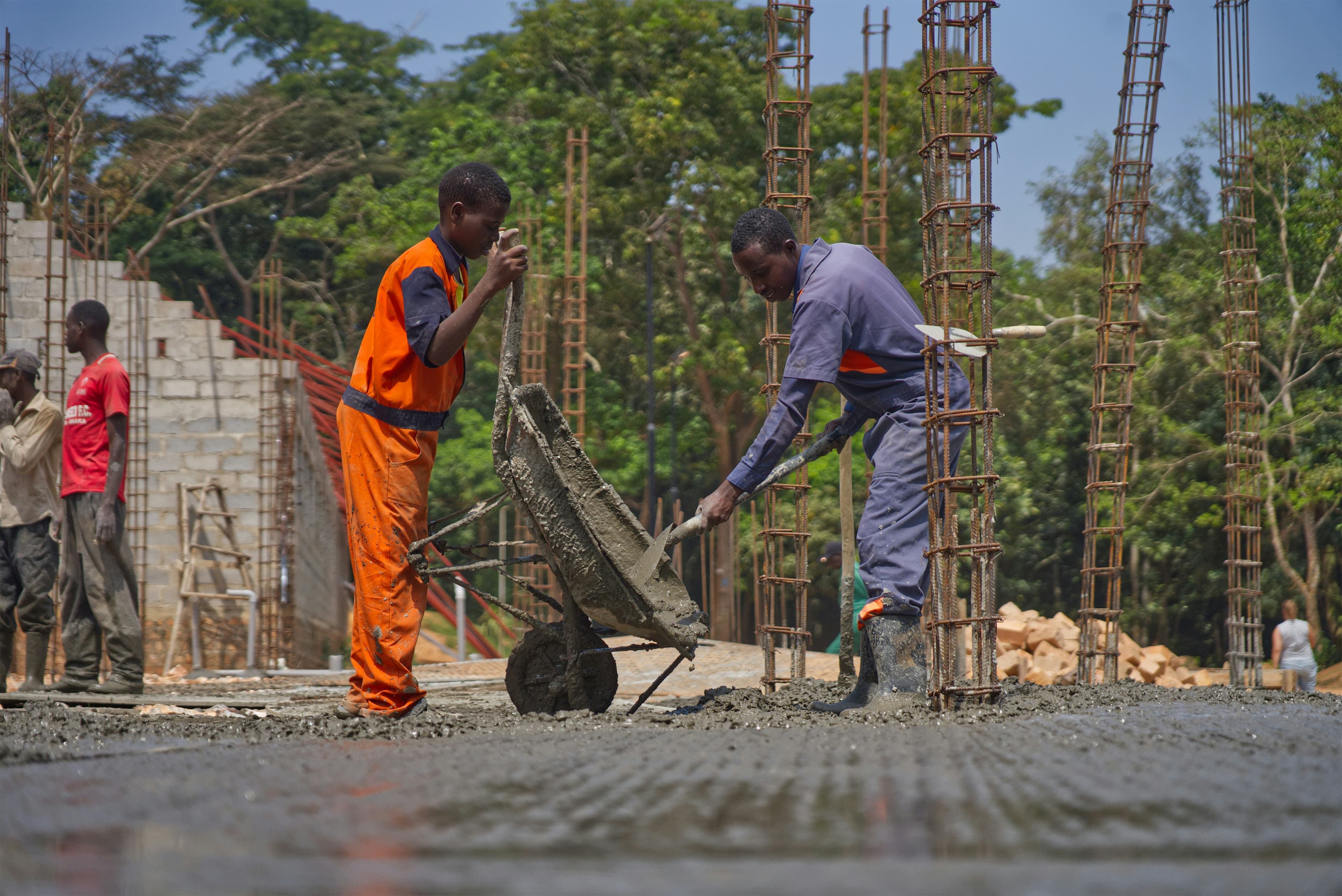
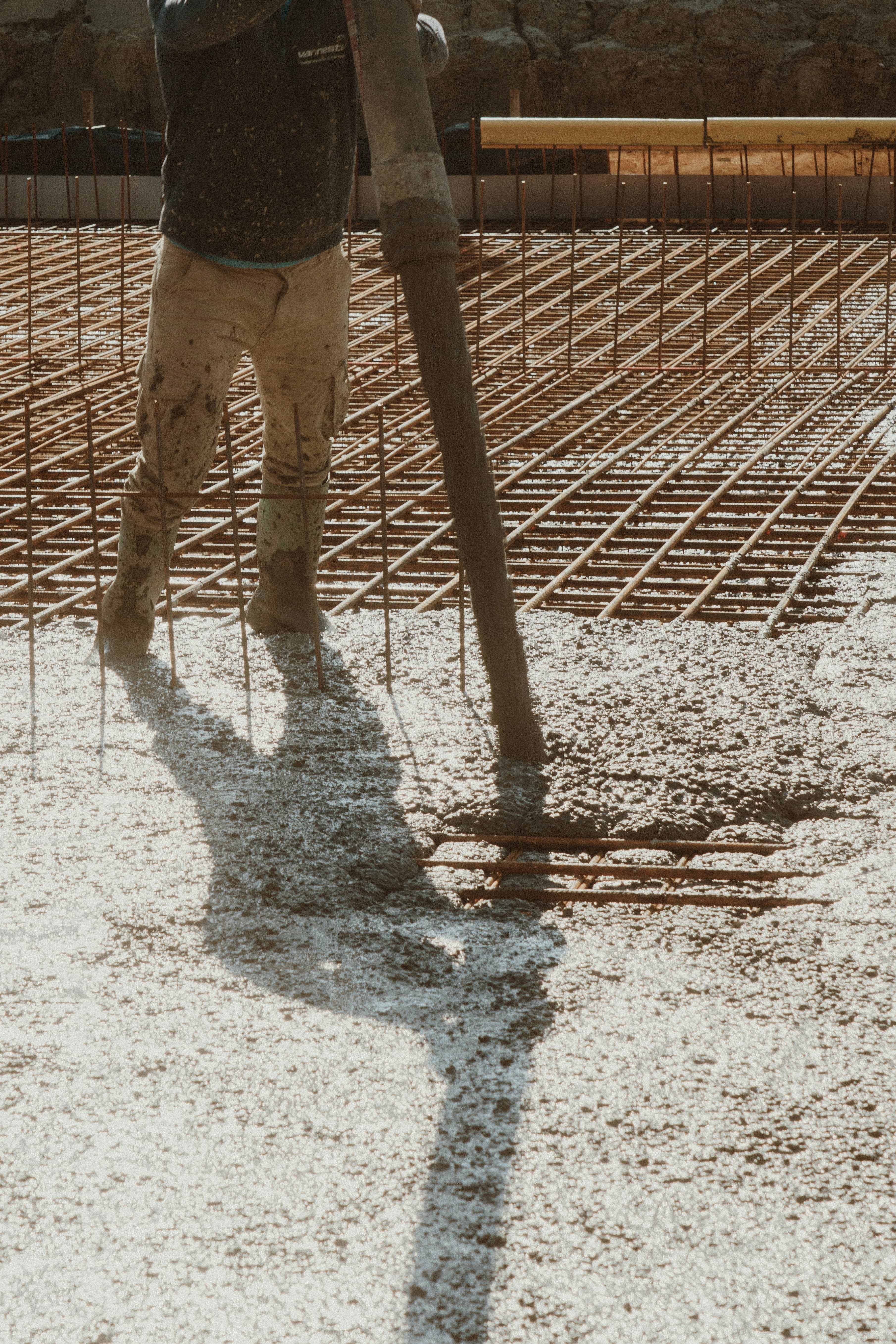
Concrete doesn't dry so much as it cures. Cement reacts chemically with water in a process called hydration, and that reaction continues for weeks. Keeping enough moisture and warmth in the slab while it happens is what gives concrete its strength and a durable surface.
A typical timeline
These figures are typical for normal concrete in mild weather (roughly 50–75°F). Cold weather slows everything down; hot weather speeds the start but raises the risk of cracking.
| Time after pouring | What you can do |
|---|---|
| A few hours | Concrete stiffens; finishing and cutting control joints happen in this window |
| 24–48 hours | Light foot traffic; remove forms carefully on most flatwork |
| About 7 days | Passenger cars on a driveway; concrete has typically reached a large share of its design strength |
| About 28 days | Reference point for full design strength; heavy vehicles, sealing many surfaces, final loads |
Engineers specify concrete by its strength at 28 days because it's a standard test age, not because the concrete stops gaining strength then. It continues to harden slowly for months.
Why moisture matters
If the surface dries too quickly, hydration stops near the top before the concrete has gained strength. The result is a weak, dusty surface that can scale or crack. Keeping the slab moist for the first week makes a measurable difference to durability.
Ways to cure a slab
- Curing compound: a sprayed liquid membrane that seals in moisture. Easy for DIY and professionals alike.
- Plastic sheeting: laid flat over the slab once it is hard enough not to mark, with edges weighted down.
- Wet curing: keep the surface damp with a sprinkler, soaker hose or wet burlap for several days.
- Leaving forms in place for a few days protects edges and holds moisture in the sides.
Hot-weather tips
- Pour early in the morning.
- Dampen the base and forms before the pour so they don't absorb water from the mix.
- Use windbreaks or sunshades and start curing as soon as finishing is complete.
- Ask the plant about a retarding admixture for large pours.
Cold-weather tips
- Never pour on frozen ground.
- Fresh concrete must be protected from freezing in its first days; insulated curing blankets are the usual answer.
- An accelerating admixture or heated water at the plant helps concrete gain early strength.
- Expect every stage of the timeline to take longer.
When to seal
Many sealers require the concrete to have cured for about a month so that moisture can escape first, although some products can be applied sooner. Follow the sealer manufacturer's directions.
Common curing mistakes
- Driving on a new driveway after a day or two because it "looks dry."
- Adding water to the surface during finishing to make troweling easier, which weakens the top layer.
- Using de-icing salts on concrete during its first winter.
- Skipping control joints; see slab thickness and joints.
Plan before you pour
Good curing starts with ordering the right amount and mix so the crew isn't rushed. Size the pour with the concrete calculator, and read how to order ready-mix for admixtures that suit your weather.
Further reading from official sources
- Concrete basics and resources – American Concrete Institute (ACI)
- Cement and concrete technical resources – Portland Cement Association (PCA)