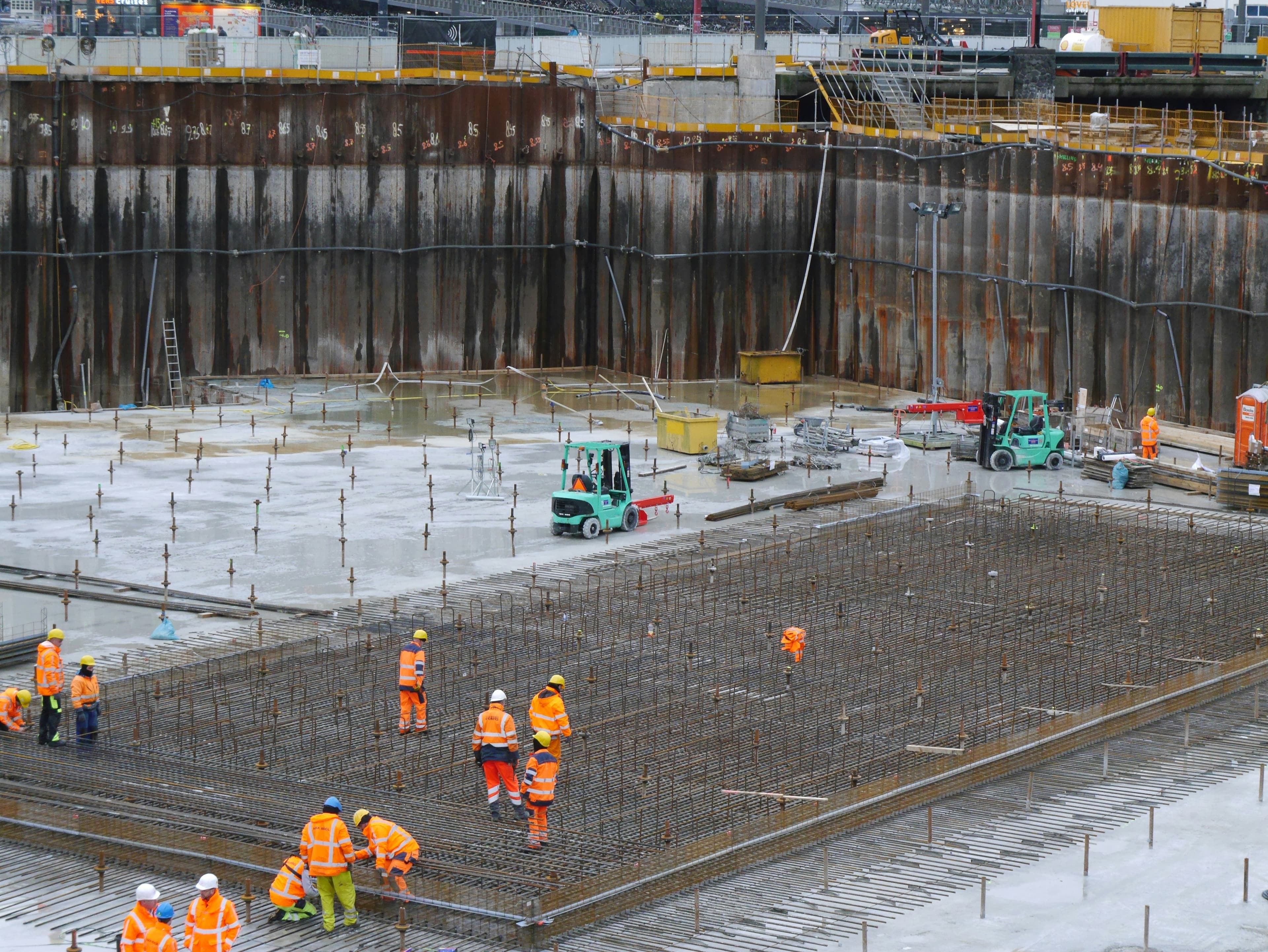
How to Order Ready-Mix Concrete: Yards, Slump, Strength and Delivery
What to tell the batch plant when ordering ready-mix concrete: volume, strength, slump, additives and site access, plus how to avoid running short.
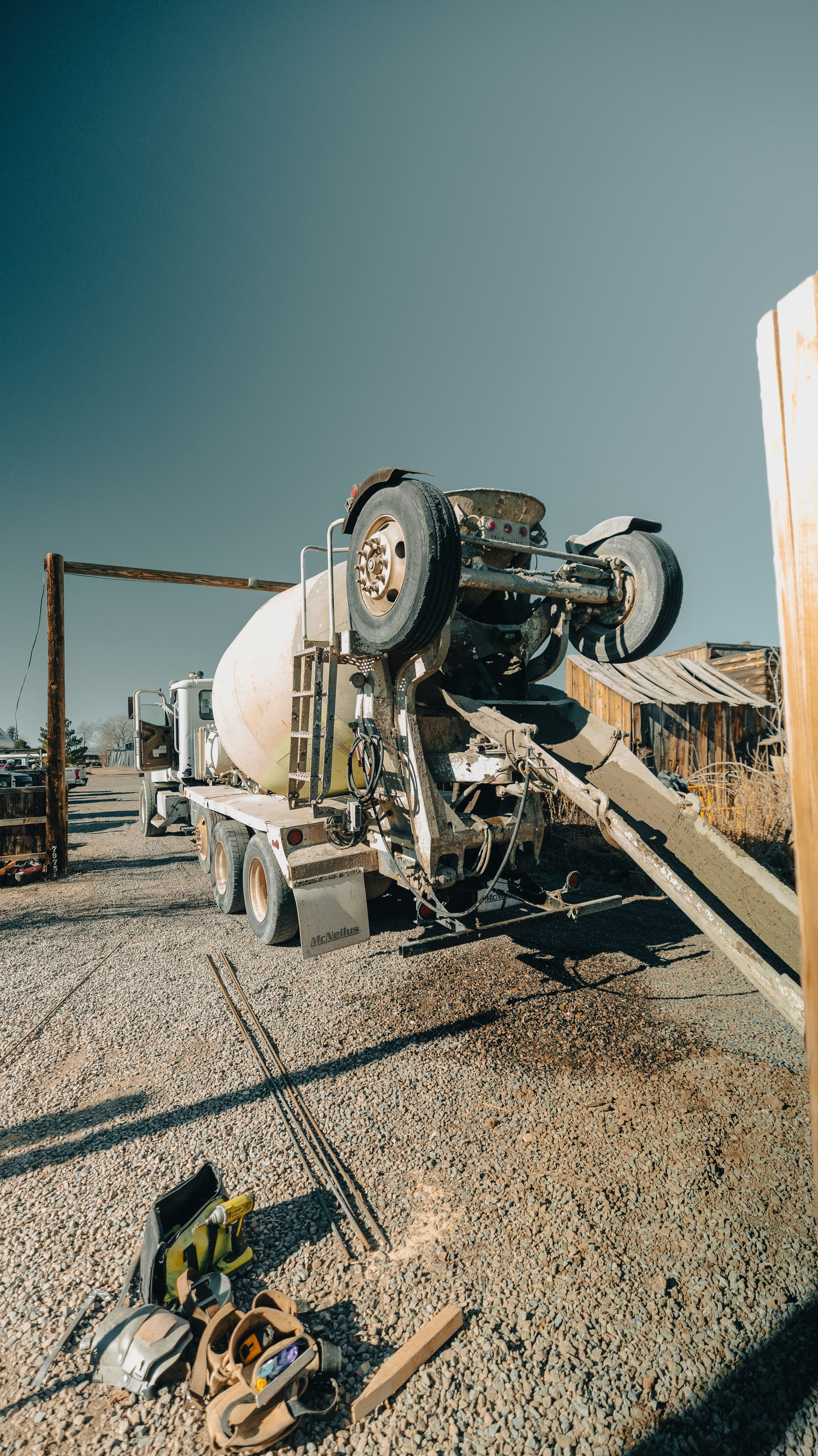
Ordering a truck of concrete for the first time can feel intimidating. The dispatcher asks about PSI, slump and access, the truck arrives with a clock running, and there's no second chance once the concrete starts to set. Knowing what to ask for and how much to order makes the day go smoothly.
1. Calculate the volume carefully
Measure the inside of your forms, not the plan drawing. Calculate cubic feet, divide by 27 for cubic yards, and add 5–10% for uneven subgrade, form bulge and what stays in the chute. The concrete calculator handles slabs, round columns and steps and adds the margin for you.
Most plants sell in increments of a quarter or half yard. Running short is far worse than having a little extra: a second truck may take an hour to arrive, leaving a cold joint where the first pour has already begun to set. Plan somewhere to use leftovers, such as a form for a few stepping stones.
2. Choose the strength
Concrete is specified by its compressive strength at 28 days, in pounds per square inch (psi). Typical residential choices:
- 2,500–3,000 psi: footings, walls and interior slabs in mild climates.
- 3,500–4,000 psi: driveways, garage floors, patios and exterior slabs exposed to freezing.
- Higher: specified by an engineer for heavy loads.
Your local building department may set a minimum for some uses. When in doubt, describe the job and climate to the plant; they make these decisions daily.
3. Specify slump
Slump measures how fluid fresh concrete is, in inches, from a standard cone test. A slump of about 4 inches is common for flatwork. Higher slump flows more easily but, if achieved by adding water, reduces strength. If the crew needs more workability, ask for a water-reducing admixture rather than extra water at the site.
4. Ask about admixtures
| Admixture | What it does | When to use |
|---|---|---|
| Air entrainment | Tiny bubbles resist freeze–thaw damage | Exterior slabs in cold climates |
| Accelerator | Speeds setting | Cold weather pours |
| Retarder | Slows setting | Hot weather, long pours |
| Fiber | Controls small shrinkage cracks | Slabs, as a supplement to joints |
| Water reducer | Improves flow without extra water | Hard-to-place work |
5. Plan the delivery
- Access. A loaded mixer truck is heavy and needs firm ground and overhead clearance. Keep it off septic systems, lawns after rain and thin driveways.
- Chute reach. A truck chute typically reaches only a short distance from the truck. For back gardens, plan wheelbarrows, a line pump or a boom pump, and book enough helpers.
- Time on site. Trucks allow a set unloading time and charge for waiting beyond it. Have forms, reinforcement and tools ready before the truck arrives.
- Time limit. The ASTM C94 standard for ready-mixed concrete calls for discharge within 90 minutes of batching unless the buyer agrees otherwise, so schedule to avoid delays.
6. Understand the fees
Besides the price per yard, ask about short-load fees (for orders under a minimum, often several yards), delivery or fuel surcharges, overtime waiting charges, and weekend or after-hours rates. For very small pours, compare with bags; see how many bags of concrete you need.
7. Check the weather
Avoid pouring if rain is forecast during the pour or finishing, or if temperatures will drop below freezing in the following days without protection. Hot, windy days make concrete set fast and can cause surface cracking; start early. Learn more in our guide to concrete curing time.
Ordering checklist
- Volume in cubic yards, including margin.
- Strength (psi) and any code requirement.
- Slump.
- Admixtures: air, accelerator or retarder, fiber.
- Delivery address, access notes and placement method.
- Date, start time and a phone number for the driver.
Further reading from official sources
- Concrete basics and resources – American Concrete Institute (ACI)
- Cement and concrete technical resources – Portland Cement Association (PCA)