Concrete for Footings and Post Holes: Sizes, Depth and Volume
Calculate concrete for deck footings, fence posts and continuous footings. Covers frost depth, form tubes, hole sizes and how to total many holes at once.
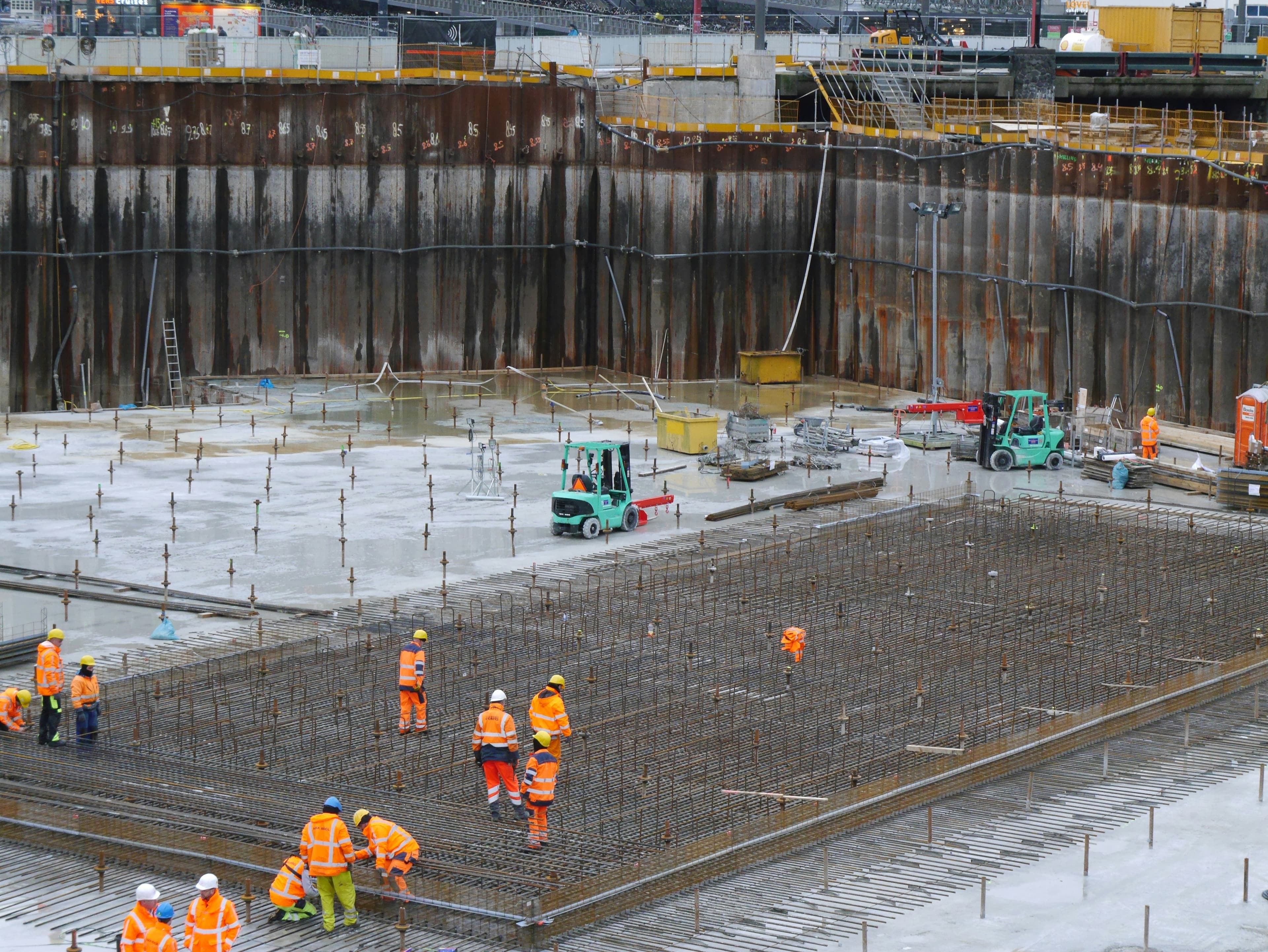
Footings spread the weight of a structure into the ground. For decks, porches, pergolas and fences, that usually means a series of round concrete piers, each in its own hole. Getting the size and depth right matters for safety; getting the volume right saves a second trip for bags.
How deep should footings be?
In cold climates, footings must extend below the frost line, the depth to which the ground freezes in winter. Water in soil expands as it freezes and can lift (heave) footings that sit above that depth. Frost depth varies from a few inches in the southern US to several feet in the far north. Your local building department publishes the required depth; residential codes based on the International Residential Code also require footings to be a minimum depth below undisturbed ground even where frost is not a concern.
Typical sizes
| Use | Common hole or form size | Notes |
|---|---|---|
| Fence post (4 × 4) | 8–10 in diameter | Hole about 3× the post width; depth about a third of post height above ground or to frost line |
| Fence post (6 × 6) | 10–12 in diameter | Gate posts deeper and wider |
| Deck pier | 10–16 in tube, often on a wider footing pad | Size from the deck's span tables and load |
| Porch or pergola pier | 12–18 in | Follow plan or engineer |
Footing size depends on the load and the soil's bearing capacity. Deck guides published by building departments include tables for this; follow them or an engineer's design rather than rules of thumb.
Volume of one round footing
cubic feet = 3.1416 × (diameter in inches ÷ 24)² × depth in feet
Dividing the diameter by 24 converts it to a radius in feet in one step. Some handy values per foot of depth:
| Diameter | ft³ per foot of depth | 80 lb bags per foot |
|---|---|---|
| 8 in | 0.35 | 0.6 |
| 10 in | 0.55 | 0.9 |
| 12 in | 0.79 | 1.3 |
| 16 in | 1.40 | 2.3 |
| 18 in | 1.77 | 2.9 |
Totalling many holes
A deck with 9 piers in 12-inch tubes, each 42 inches deep: 0.79 × 3.5 = 2.75 ft³ per pier, 24.7 ft³ total, or 0.92 cubic yards. With 10% extra that's just over one yard, which is about 46 bags of 80 lb, or a small ready-mix delivery. In the concrete calculator, choose "column / post hole," enter the diameter and depth, and set the quantity to the number of holes.
Footing pads under piers
Many deck designs place a wider square or round pad at the bottom of the hole, with the narrower tube on top. Calculate the pad as a short slab (length × width × thickness) and the tube as a column, then add them. A 24 × 24 in pad, 8 in thick, is 2 × 2 × 0.667 = 2.67 ft³ per pier.
Continuous footings
Walls, garages and additions usually sit on continuous strip footings. Treat them as a long slab: length × width × depth. A footing 60 ft long, 16 inches wide and 8 inches deep is 60 × 1.333 × 0.667 = 53.3 ft³, about 2 cubic yards. These are structural and almost always require a permit and inspection.
Practical tips
- Call 811 to locate buried utilities before digging any hole.
- Bell out the bottom of post holes slightly; a wider base resists uplift.
- For fence posts, many builders prefer gravel at the bottom of the hole so water drains away from the post end.
- Use form tubes above ground to give piers a clean finish and keep soil out of the concrete.
- Set anchor hardware while the concrete is wet, checking alignment with a string line.
Related guides
Deciding between bags and a truck? Read how many bags of concrete and ordering ready-mix.
Further reading from official sources
- Concrete basics and resources – American Concrete Institute (ACI)
- Cement and concrete technical resources – Portland Cement Association (PCA)