CD vs. High-Yield Savings Account: Which Is Better for Your Money?
Compare certificates of deposit and high-yield savings accounts on rate, access, risk and flexibility, with a worked example and a simple way to decide.
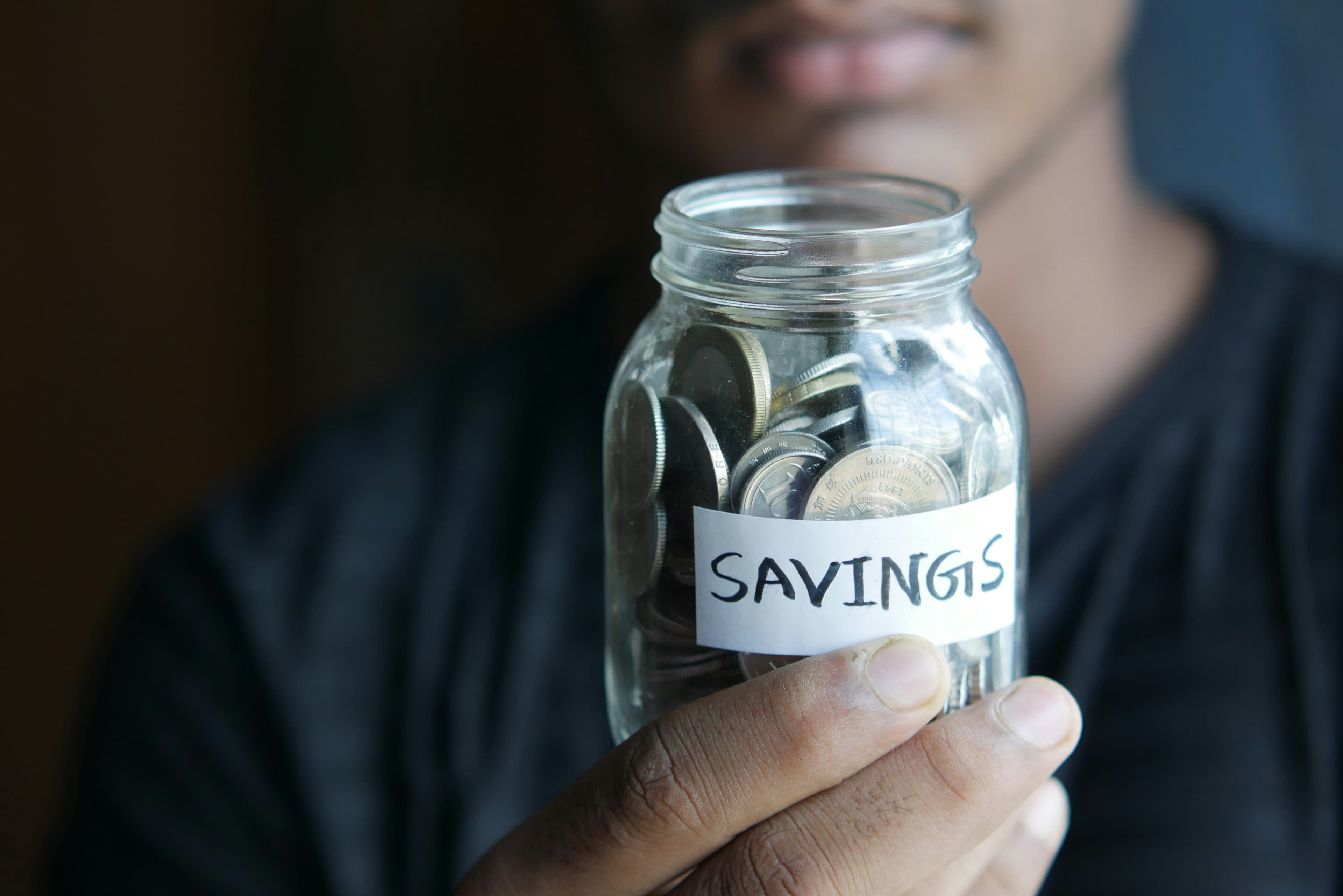
Both CDs and high-yield savings accounts are safe places to keep cash at insured institutions. The difference is the trade-off between a guaranteed rate and the freedom to take your money out at any time.
Side-by-side comparison
| CD | High-yield savings | |
|---|---|---|
| Rate | Fixed for the term | Variable; can change at any time |
| Access | Penalty for early withdrawal | Withdraw any time (some banks limit transfers) |
| Adding money | Usually not allowed after opening | Any time |
| Insurance | FDIC/NCUA up to limits | FDIC/NCUA up to limits |
| Best for | Money you won't need for a known period | Emergency funds and flexible savings |
The key question: will rates change?
A CD locks in today's rate. If rates fall, your CD keeps paying the higher rate while savings accounts drop. If rates rise, your CD stays at the lower rate while savings accounts climb. Nobody can predict rates reliably, which is why many savers use both.
Worked example
You have $10,000 for a year. A 12-month CD offers 4.25% APY; a savings account offers 4.00% today.
- CD: $10,425 after one year, guaranteed.
- Savings, if the rate stays at 4.00%: $10,400.
- Savings, if the rate falls to an average of 3.25% over the year: about $10,325.
The CD wins unless rates rise during the year, or unless you need the money early and pay a penalty. Try your own numbers in the CD calculator.
When a CD makes sense
- You're saving for a goal with a known date, such as tuition next fall or a home purchase in 18 months.
- You want to lock in a rate you think is good.
- You already have a separate emergency fund.
When savings makes sense
- It's your emergency fund; you may need it tomorrow.
- You're adding money regularly.
- You expect to need the money at an uncertain time.
Combining them
A common approach is to keep three to six months of expenses in a high-yield savings account and put additional savings into CDs, often in a ladder so some money becomes available regularly. See how to build a CD ladder. No-penalty CDs are a middle ground; see types of CDs.
Long-term goals
For retirement decades away, both CDs and savings accounts have historically grown more slowly than diversified investments, though with less risk. Retirement accounts are covered by the 401(k) calculator.
Educational content only, not financial advice. Rates are examples.
Further reading from official sources
- Deposit Insurance – Federal Deposit Insurance Corporation (FDIC)
- Compound interest calculator and savings basics – U.S. Securities and Exchange Commission – Investor.gov