The 9 APUSH Periods: Dates, Exam Weight and Key Themes to Review
An overview of the nine periods in the AP U.S. History course, from 1491 to the present, with approximate exam weighting and the big themes to focus your review.
AP U.S. History is organized into nine chronological periods. They aren't weighted equally on the exam, so knowing the structure helps you plan review time. The figures below come from the course and exam description; check AP Central for the version that applies to your exam year.
Periods and weighting
| Period | Years | Approx. exam weight |
|---|---|---|
| 1 | 1491–1607 | 4–6% |
| 2 | 1607–1754 | 6–8% |
| 3 | 1754–1800 | 10–17% |
| 4 | 1800–1848 | 10–17% |
| 5 | 1844–1877 | 10–17% |
| 6 | 1865–1898 | 10–17% |
| 7 | 1890–1945 | 10–17% |
| 8 | 1945–1980 | 10–17% |
| 9 | 1980–present | 4–6% |
Periods 3 through 8 carry most of the weight, so they deserve most of your review time. The overlaps in years are intentional: periods are defined by developments, not neat calendar breaks.
Key themes by period
- Period 1: Native American societies, European exploration, the Columbian Exchange, Spanish colonization.
- Period 2: differences among British colonies, Atlantic trade and slavery, relations with Native peoples.
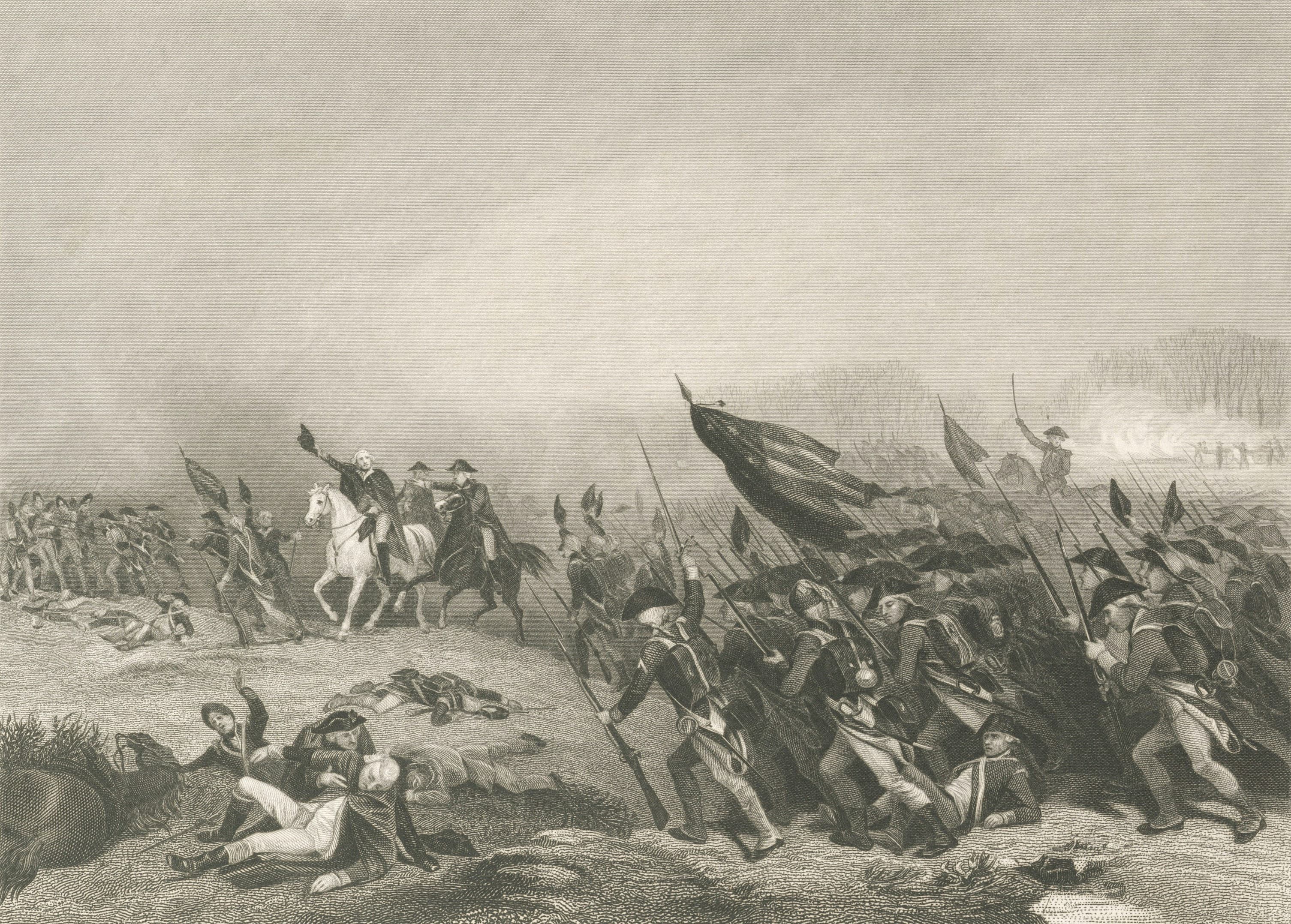
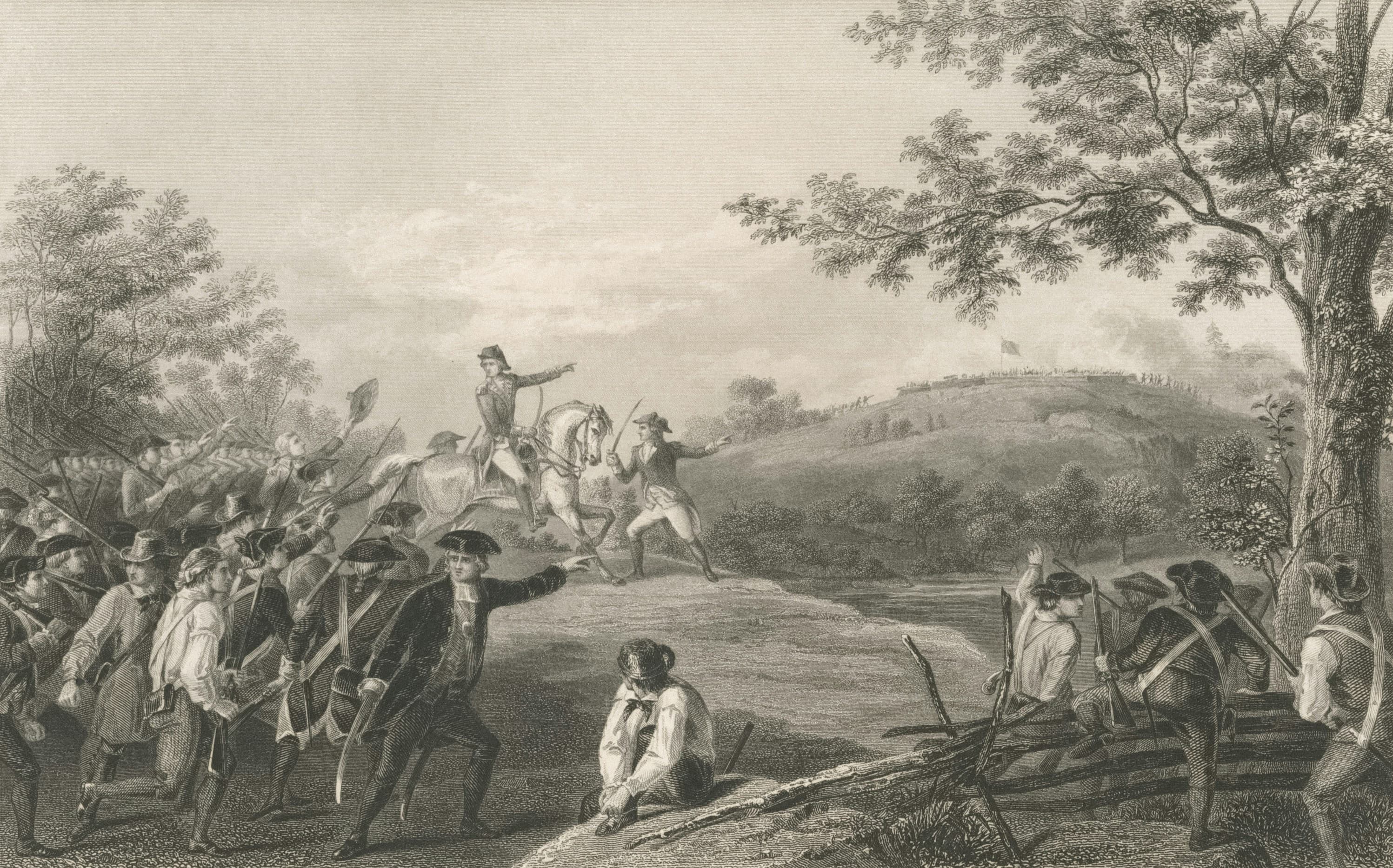
- Period 3: the Seven Years' War, the road to independence, the Revolution, the Articles of Confederation and Constitution, early republic debates.
- Period 4: democratization, the market revolution, reform movements, westward expansion, sectional tension.
- Period 5: Manifest Destiny, the Mexican–American War, the crisis over slavery, the Civil War and Reconstruction.
- Period 6: industrialization, immigration, urbanization, the West, labor and the Gilded Age.
- Period 7: the Progressive Era, imperialism, World War I, the 1920s, the Great Depression and New Deal, World War II.
- Period 8: the Cold War, civil rights movements, postwar prosperity, the Vietnam War, social change in the 1960s and 1970s.
- Period 9: the conservative movement, the end of the Cold War, globalization, technology, the post-2001 era.
Themes that run across periods
The course also tracks themes such as American and national identity, work and technology, migration and settlement, politics and power, America in the world, geography and the environment, and American culture. Essays often reward connecting a development to these longer threads, which helps with the complexity point on the DBQ and LEQ.
A review plan
- Build a one-page timeline per period with 10–15 key events, laws and people.
- For each, write one sentence on cause and one on effect.
- Practice SAQs from different periods, since each SAQ covers a different one.
- Do timed multiple-choice sets mixing periods to practice switching context.
Track your progress
After each full practice test, enter your section scores in the APUSH score calculator to estimate your 1–5 score and see which section would raise it most.
AP is a registered trademark of the College Board, which is not affiliated with this site.
Further reading from official sources
- AP United States History – exam information – College Board AP Central
- AP score distributions – College Board